

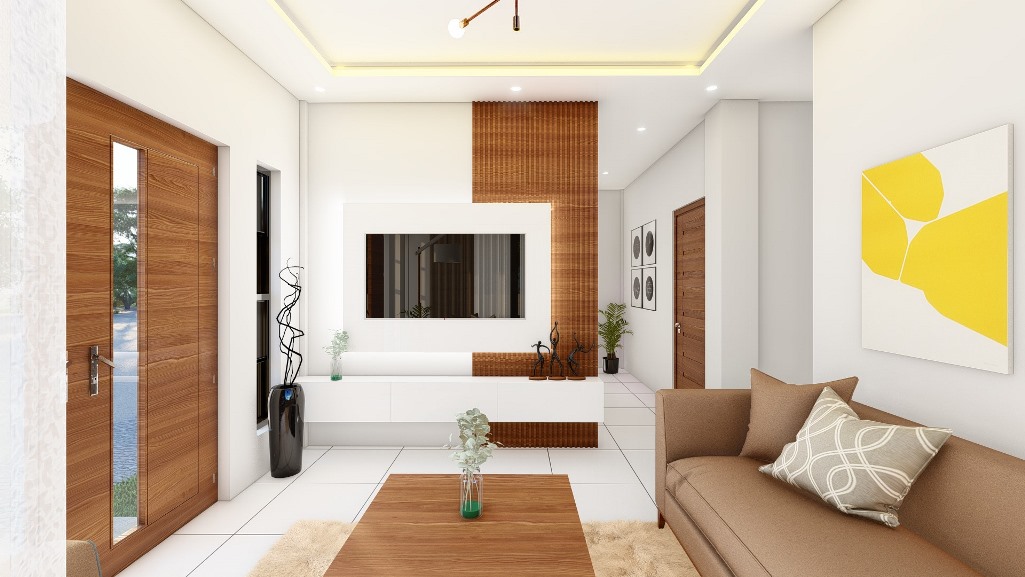
Interior design is more than visual appeal—it is the thoughtful planning of spaces that enhance comfort, functionality, and emotional well-being. From homes and offices to hospitality spaces, good interior design balances aesthetics with purpose, transforming everyday environments into meaningful experiences.
What Is Interior Design?
Interior design is the art and science of improving interior spaces to achieve a healthier and more visually pleasing environment. It considers architecture, human behavior, lighting, color, materials, and spatial planning to create cohesive interiors.
Key objectives of interior design include:
-
Enhancing functionality and flow
-
Improving comfort and usability
-
Reflecting personal or brand identity
-
Maximizing available space
-
Supporting well-being and mood
Core Principles of Interior Design
Successful interiors are built on foundational principles that guide design decisions.
Balance
Balance creates visual stability and can be:
-
Symmetrical: evenly distributed elements
-
Asymmetrical: varied elements with equal visual weight
-
Radial: arranged around a central focal point
Harmony and Unity
Consistency in color palettes, materials, and styles helps unify a space and makes it feel intentional rather than chaotic.
Proportion and Scale
Furniture and décor should relate appropriately to the room size and to one another to avoid overcrowding or emptiness.
Emphasis
A focal point—such as a feature wall, artwork, or statement furniture—adds character and draws attention.
Popular Interior Design Styles
Different styles reflect different lifestyles and preferences. Choosing the right one helps define the character of a space.
Modern
-
Clean lines and uncluttered layouts
-
Neutral color palettes
-
Emphasis on function over ornamentation
Minimalist
-
Simplified forms and limited décor
-
Monochromatic or muted tones
-
Focus on negative space
Contemporary
-
Blends current trends with timeless elements
-
Flexible and ever-evolving
-
Uses texture and contrast
Traditional
-
Rich colors and classic furniture
-
Symmetry and detailed craftsmanship
-
Warm, formal ambiance
Industrial
-
Raw materials like concrete, metal, and brick
-
Open layouts and exposed structures
-
Urban, edgy aesthetic
Space Planning and Layout
Effective space planning ensures that interiors are practical and comfortable.
Important considerations include:
-
Traffic flow and movement paths
-
Furniture placement for usability
-
Zoning for multi-purpose areas
-
Accessibility and ergonomics
Well-planned layouts improve daily living while reducing clutter and inefficiency.
Role of Color, Light, and Materials
Color Psychology
Colors influence emotions and perceptions. Soft neutrals create calmness, while bold hues add energy and personality.
Lighting Design
Layered lighting—ambient, task, and accent—enhances functionality and sets the mood throughout the day.
Materials and Textures
Combining textures such as wood, fabric, glass, and metal adds depth and sensory richness to interiors.
Interior Design Trends Shaping Modern Homes
Current interior design trends reflect changing lifestyles and environmental awareness.
Notable trends include:
-
Sustainable and eco-friendly materials
-
Biophilic design with natural elements
-
Multifunctional furniture for compact spaces
-
Smart lighting and home automation
-
Warm neutrals paired with organic textures
Why Interior Design Matters
Interior design directly impacts how people live, work, and relax. Thoughtful design improves productivity, supports mental health, and enhances overall quality of life by creating spaces that feel intuitive and inspiring.
Frequently Asked Questions (FAQs)
What is the difference between interior design and interior decorating?
Interior design focuses on space planning, functionality, and structural elements, while decorating emphasizes aesthetics like furniture, colors, and accessories.
How do I choose the right interior design style for my home?
Consider your lifestyle, space size, personal preferences, and long-term comfort rather than following trends alone.
Is interior design only about luxury spaces?
No, interior design applies to all spaces and budgets, focusing on improving functionality and comfort regardless of scale.
How important is lighting in interior design?
Lighting is crucial as it affects mood, visibility, and the overall perception of space.
Can interior design increase property value?
Yes, well-designed interiors often enhance market appeal and can positively influence property value.
How often should interiors be updated?
There is no fixed timeline; updates are usually driven by lifestyle changes, wear and tear, or evolving tastes.
What role does sustainability play in modern interior design?
Sustainability promotes healthier living through eco-friendly materials, energy efficiency, and long-lasting design solutions.