

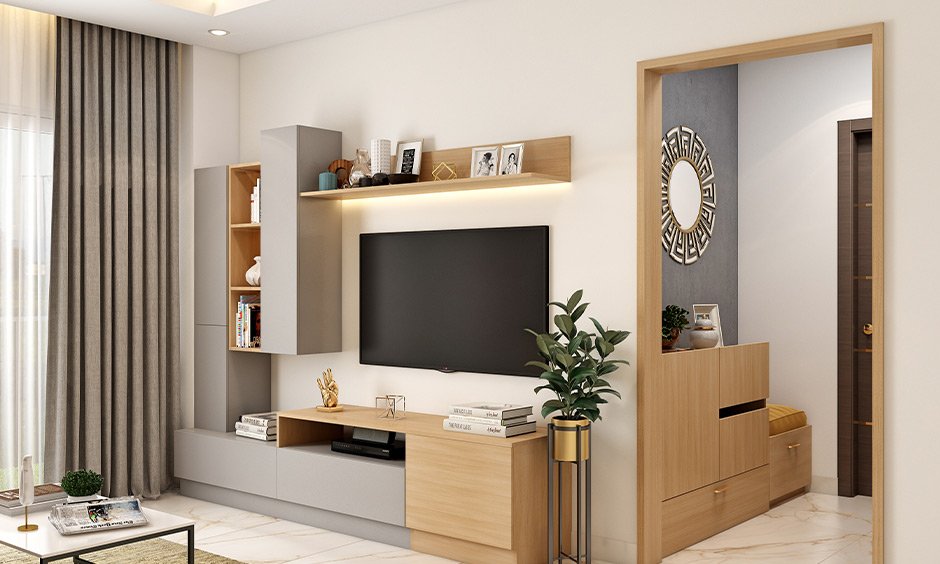
Furniture shapes how we live, work, and relax. Beyond appearance, the right furniture improves comfort, supports health, and maximizes space efficiency. From timeless wooden pieces to sleek modern designs, understanding furniture fundamentals helps you make smarter, longer-lasting choices.
What Is Furniture and Why It Matters
Furniture includes movable objects designed to support daily activities such as sitting, sleeping, dining, and storage. Well-chosen furniture balances functionality, durability, and aesthetics, creating spaces that feel cohesive and comfortable.
Key reasons furniture matters:
-
Enhances usability of a space
-
Supports posture and ergonomics
-
Reflects personal style and lifestyle
-
Contributes to organization and efficiency
Types of Furniture by Function
Different rooms demand different furniture solutions. Understanding categories helps narrow choices.
Living Room Furniture
-
Sofas and sectionals for seating and socializing
-
Coffee tables and side tables for convenience
-
TV units and shelves for storage and display
Bedroom Furniture
-
Beds and mattresses for rest and recovery
-
Wardrobes and dressers for clothing storage
-
Nightstands for daily essentials
Dining Furniture
-
Dining tables sized for space and family needs
-
Dining chairs or benches for comfort
-
Sideboards for serving and storage
Office Furniture
-
Desks tailored to work style
-
Ergonomic chairs for posture support
-
Storage units for documents and tools
Popular Furniture Materials and Their Benefits
Material choice affects durability, maintenance, and appearance.
Wood
-
Solid wood offers strength and longevity
-
Engineered wood provides affordability and consistency
-
Natural warmth suits classic and modern interiors
Metal
-
Strong, sleek, and resistant to pests
-
Ideal for industrial and contemporary designs
Upholstered Furniture
-
Fabric or leather adds comfort
-
Wide variety of textures and colors
-
Requires regular care to maintain appearance
Glass and Stone
-
Creates a light, open feel
-
Easy to clean but needs careful handling
Choosing the Right Furniture for Your Space
Smart furniture selection goes beyond looks.
Consider these factors:
-
Room size and layout to avoid overcrowding
-
Purpose and frequency of use
-
Comfort and ergonomics, especially for seating
-
Maintenance requirements based on lifestyle
-
Budget vs. long-term value
Measuring space and visualizing placement before buying prevents costly mistakes.
Furniture Styles to Know
Understanding styles helps maintain visual harmony.
-
Modern: Clean lines, neutral tones, minimal ornamentation
-
Traditional: Detailed craftsmanship, rich materials
-
Minimalist: Simple forms, clutter-free design
-
Rustic: Natural textures, aged finishes
-
Scandinavian: Light colors, functionality, warmth
Mixing styles is possible when done thoughtfully with a unifying color palette or material.
Furniture Care and Maintenance Tips
Proper care extends furniture life significantly.
-
Dust wooden surfaces regularly with soft cloths
-
Avoid direct sunlight to prevent fading
-
Use coasters and mats to protect surfaces
-
Tighten screws and joints periodically
-
Follow manufacturer guidelines for upholstery cleaning
Small habits make a noticeable difference over time.
Sustainability and Eco-Friendly Furniture
Sustainable furniture focuses on responsible sourcing and longevity.
Look for:
-
Certified or reclaimed wood
-
Low-VOC finishes and adhesives
-
Durable designs that reduce replacement needs
Choosing eco-conscious furniture supports both the environment and long-term value.
Frequently Asked Questions (FAQs)
1. How do I choose furniture for small spaces?
Opt for multi-functional pieces, light colors, and furniture with exposed legs to create an open feel.
2. What furniture material lasts the longest?
Solid wood and metal furniture generally offer the highest durability when properly maintained.
3. How often should furniture be replaced?
Quality furniture can last 10–20 years or more, depending on usage and care.
4. Is custom furniture better than ready-made?
Custom furniture offers perfect fit and personalization, while ready-made is faster and more budget-friendly.
5. How can I match new furniture with existing décor?
Focus on color harmony, scale, and material consistency rather than exact matching.
6. What is ergonomic furniture?
Ergonomic furniture is designed to support natural posture, reducing strain and improving comfort.
7. Does furniture affect mental well-being?
Yes, comfortable and well-organized furniture can improve mood, focus, and relaxation.