

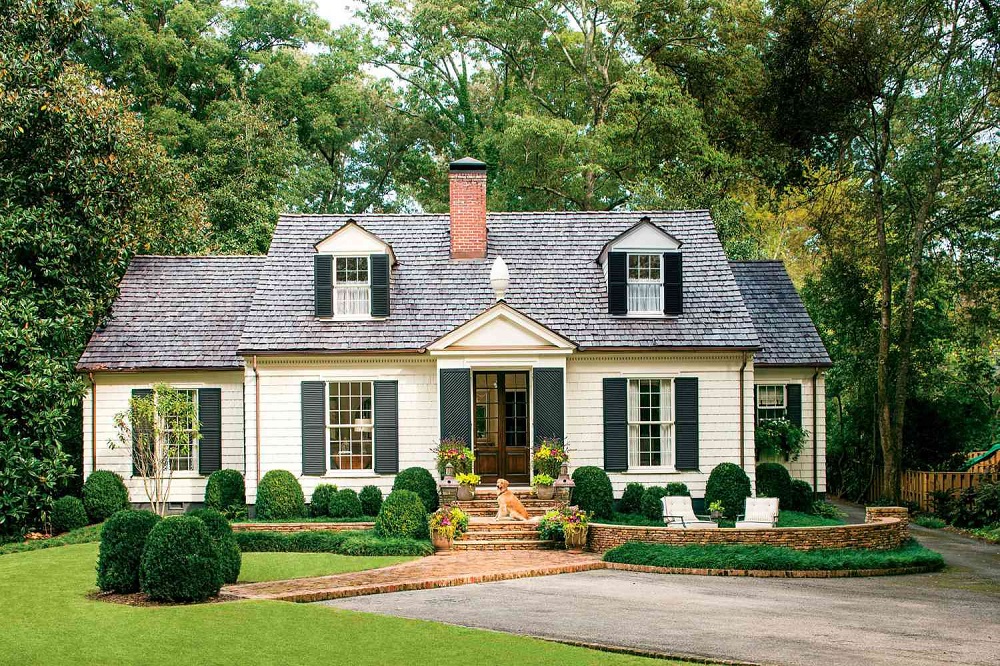
A home is more than a physical structure. It is a space where daily life unfolds, memories are created, and comfort is restored. Whether it is a compact apartment or a spacious house, a home reflects personal values, lifestyle, and emotional well-being.
In today’s fast-moving world, the concept of home continues to evolve, blending functionality, comfort, and identity into a single living environment.
Understanding What Makes a Home
A home is defined not just by walls and roofs, but by how it supports the people living inside it. It provides shelter, security, and a sense of belonging.
Key elements that define a true home include:
-
Safety and protection from external conditions
-
Emotional comfort and peace of mind
-
Personal expression through design and décor
-
Functionality that supports daily routines
A well-designed home adapts to its occupants rather than forcing them to adapt to it.
The Emotional Value of Home
Home plays a powerful role in emotional health. It is often associated with stability, warmth, and familiarity.
Why home matters emotionally
-
It creates a safe space to relax and recharge
-
It fosters strong family and personal relationships
-
It offers a sense of control and privacy
-
It becomes a repository of shared memories
Even simple changes, such as improved lighting or decluttered spaces, can significantly enhance emotional comfort.
Different Types of Homes
Homes come in many forms, shaped by culture, location, and lifestyle needs. Each type offers unique advantages.
Common types of homes include:
-
Apartments – Practical and space-efficient for urban living
-
Detached houses – Ideal for privacy and larger families
-
Townhouses – A balance between community and independence
-
Mobile or modular homes – Flexible and cost-effective options
Choosing the right type of home depends on long-term goals, budget, and personal preferences.
Designing a Functional Living Space
A functional home supports everyday activities without stress or clutter. Smart design prioritizes usability while maintaining comfort.
Core principles of good home design
-
Efficient layout for smooth movement
-
Natural light and ventilation for better health
-
Storage solutions to reduce clutter
-
Comfortable furnishings that suit daily use
Functionality should never come at the expense of comfort; both work best together.
Creating Comfort Through Interior Choices
Interior design shapes how a home feels on a daily basis. Colors, textures, and layout all contribute to the atmosphere.
Warm tones, soft fabrics, and thoughtful lighting can make a space feel inviting, while neutral palettes and minimal décor encourage calm and focus.
Small details such as cushions, indoor plants, and artwork help transform a house into a home without major renovations.
The Role of Home in Modern Life
With the rise of remote work and digital lifestyles, homes now serve multiple purposes. They are no longer just places to rest.
Modern homes often function as:
-
Workspaces
-
Learning environments
-
Wellness and relaxation zones
-
Social gathering spaces
This shift has increased the importance of adaptable layouts and multi-purpose rooms.
Maintaining a Healthy Home Environment
A healthy home supports physical well-being as much as emotional comfort.
Important factors for a healthy home include:
-
Good air quality through ventilation
-
Clean and organized spaces
-
Natural lighting to support circadian rhythms
-
Noise control for better concentration and rest
Regular maintenance ensures that a home remains safe, comfortable, and efficient over time.
FAQs About Home
What truly defines a home beyond its structure?
A home is defined by comfort, emotional security, personal identity, and how well it supports daily life.
How can I make my home feel more comfortable without major changes?
Simple steps such as decluttering, improving lighting, adding soft furnishings, and personal décor can significantly improve comfort.
Why is home important for mental well-being?
Home provides stability, privacy, and a safe environment, all of which are essential for reducing stress and maintaining emotional balance.
What are the most important features of a functional home?
Efficient layout, adequate storage, natural light, and flexible spaces are key features of a functional home.
How does modern living influence home design?
Modern living requires homes to support work, leisure, and wellness, leading to adaptable layouts and multi-purpose spaces.
Can a small space still feel like a true home?
Yes, thoughtful organization, smart design, and personal touches can make even small spaces feel warm and complete.
How often should a home be maintained?
Basic maintenance should be ongoing, with deeper inspections and updates done annually to keep the home safe and efficient.