

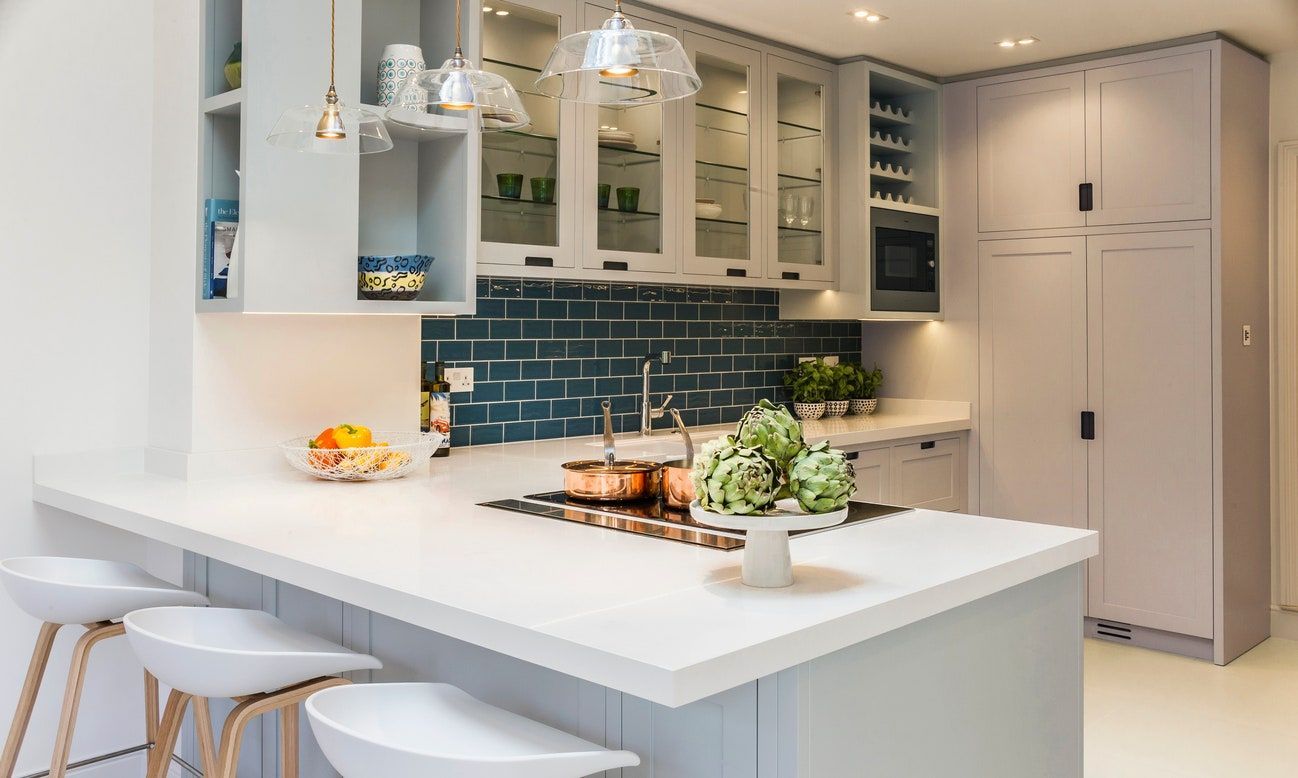
Kitchen countertops are among the most valuable pieces of real estate in any home. They serve as prep stations, landing zones for groceries, and central hubs for daily meal preparation. Over time, however, appliances, mail, spice jars, and cooking utensils gradually take over these flat surfaces, leaving minimal room for actual cooking.
Clearing countertop clutter is not simply about stashing items out of sight. It requires a strategic approach to storage that keeps daily necessities accessible while assigning a logical home to everything else. By taking advantage of unused vertical zones, cabinet interiors, and smart organizational systems, you can restore order to your kitchen and create an efficient, functional workspace.
Maximize Vertical Wall Space
When flat counter space is limited, look up. Walls offer substantial unused storage area that can easily hold items typically left sitting on the counter.
-
Install Magnetic Knife Strips: Bulky wooden knife blocks occupy valuable counter real estate and accumulate dust. A heavy-duty magnetic strip mounted on the backsplash or wall keeps chef knives, shears, and metal spatulas within arm reach while keeping surfaces completely clear.
-
Mount Hanging Utensil Rails: Instead of storing cooking spoons, ladles, and tongs in large crock jars on the counter, mount a stainless steel or brass rail along the backsplash. Using S-hooks allows you to hang frequently used utensils directly above the stove or prep station.
-
Incorporate Floating Shelves: Open floating shelves mounted above the counter create extra levels for items like coffee mugs, olive oil bottles, or everyday dinnerware. Keep items on open shelves organized by grouping them on small stone or wood risers.
-
Utilize Wall-Mounted Pegboards: A customizable metal or wooden pegboard allows you to arrange hooks, small baskets, and shelf attachments in any configuration. This works exceptionally well for holding small pots, measuring cups, and strainers on an empty accent wall.
Optimize Cabinet Doors and Hidden Surfaces
Cabinet interiors contain vast amounts of underutilized space, particularly on the inner faces of cabinet doors and along the undersides of upper cabinets.
-
Hang Over-the-Door Organizers: The back of lower cabinet doors is ideal for slim wire racks. Use them to hold cutting boards, baking sheets, box graters, or boxes of aluminum foil and plastic wrap that would otherwise clutter counter corners.
-
Attach Adhesive Hooks for Small Tools: Heavy-duty adhesive hooks placed inside upper cabinet doors create instant hanging spots for measuring spoons, whisks, and pot holders. This removes small items from counter trays and drawer dividers.
-
Install Under-Cabinet Racks: Underside spaces below upper cabinets can host hanging stemware racks, paper towel holders, or magnetic spice tins. Elevating these daily items off the counter keeps them within arm reach without occupying surface area.
-
Add Door-Mounted Trash and Recycling Bins: Move countertop compost pails or bulky floor cans out of sight by mounting pull-out or door-hung waste bins inside the cabinet below the sink.
Rethink Under-Sink and Pantry Storage
Efficient internal cabinet organization prevents items from overflowing onto the counters. By creating structured zones inside pantries and lower cabinets, you can store larger items out of sight.
-
Use Tiered Pull-Out Organizers: Deep cabinets often become cluttered because items in the back are difficult to reach. Installing slide-out wire baskets or wooden drawers ensures every item is accessible, allowing you to hide small appliances like blenders and food processors inside lower cabinets.
-
Incorporate Lazy Susans: Turntable trays placed inside deep cabinets or pantry shelves prevent bottles of oil, vinegar, and sauces from migrating to the countertop. A quick spin brings items from the back directly to the front.
-
Stack Clear Storage Bins: Group pantry staples, snacks, and baking ingredients inside stackable clear plastic bins. Labeling each bin creates an intuitive system that keeps food packages from piling up on open counter spaces.
-
Use Shelf Risers for Vertical Stacking: Cabinet shelves often leave empty vertical space above short items. Stacking wire or acrylic shelf risers doubles the usable capacity for plates, bowls, and canned goods.
Streamline Appliance and Utensil Zones
Small kitchen appliances are major contributors to countertop clutter. Establishing dedicated zones and smart concealment solutions keeps counters open and clear.
-
Create an Appliance Garage: If you are updating cabinet layouts or have deep counter corners, consider an appliance garage with a roll-up tambour door or lift-up cabinet face. Toasters, coffeemakers, and blenders stay plugged in and ready to use, yet remain completely hidden when closed.
-
Designate a Coffee Station: Instead of scattering coffee bags, filters, pods, and mugs across the main counter, consolidate all coffee gear into a single dedicated tray or cabinet shelf. Restricting these items to one contained zone prevents spread across the rest of the surface.
-
Install Deep Drawer Dividers: Heavy pots, pans, and appliances can be stored inside deep drawers equipped with adjustable wooden dividers. Keeping small appliances in deep drawers eliminates the need to store them on the counter.
-
Use In-Drawer Knife Blocks and Spice Inserts: Swap bulky counter spice racks and knife blocks for custom angled drawer inserts. This keeps cutlery and seasonings organized, flat, and out of sight.
Smart Countertop Multi-Tasking Solutions
When items must remain on the counter, using structured containers and vertical risers prevents visual clutter and maintains order.
-
Group Items on Decorative Trays: Loose items on a counter appear messy, but those same items arranged neatly inside a wooden, marble, or woven tray look intentional. Use a small tray near the stove to hold cooking oils, salt, and pepper.
-
Install Tiered Corner Shelves: Counter corners often turn into dead zones where clutter accumulates. A triangular two-tier corner shelf maximizes vertical height, allowing you to stack essential items in half the footprint.
-
Select Multi-Functional Storage Pieces: Choose items that offer storage and flat utility space simultaneously. For example, a flat-topped roll-top bread box allows you to store bread inside while placing small spice jars or tea tins on top.
-
Consolidate Cleaning Supplies: Keep dish soap, sponges, and scrub brushes on a raised ceramic or stainless steel sink caddy with a built-in drainage tray. This prevents water rings on the counter while keeping sink essentials contained.
FAQ
How do you decide which items deserve a permanent spot on the countertop?
A simple guideline is the daily use rule. Only items used every single day, such as a coffee maker, knife strip, or main cutting board, should remain on the surface. Items used three times a week or less belong inside a cabinet, pantry, or drawer.
What are the best storage solutions for renters who cannot drill holes in walls?
Renters can rely on heavy-duty damage-free adhesive hooks, tension rods placed between cabinets, over-the-door hanging wire baskets, and free-standing vertical shelf risers. These options add significant storage capacity without damaging drywall, tile, or cabinetry.
How can you manage power cords for appliances kept in cabinets?
Appliance cord wraps or small adhesive cord keepers attached to the back of each appliance keep cords neatly coiled and secured. This prevents tangled cords when pulling appliances out of drawers or lower cabinets for use.
What is the most effective way to keep deep corner cabinets organized?
Installing a blind corner optimizer or a heavy-duty two-tier lazy susan hardware kit makes full use of deep, hard-to-reach cabinet corners. These mechanisms pull the contents out into the room, preventing items from getting lost in the back.
How do you clean and maintain wire storage baskets to prevent dust buildup?
Wipe wire baskets monthly using a damp microfiber cloth dipped in warm water mixed with a drop of mild dish soap. For tight wire mesh, a soft-bristle brush quickly dislodges dust and crumbs before wiping the surface dry.
What is the ideal schedule for auditing and purging kitchen clutter?
Perform a quick five-minute daily reset to return items to their designated homes. Complete a deeper audit once every three to six months to clear out expired pantry items, duplicate utensils, and broken tools that take up hidden cabinet space.
How can you organize a tiny kitchen without a pantry?
In kitchens without a pantry, convert a nearby closet or tall utility cabinet into a dedicated food storage unit using adjustable shelving. Alternatively, use a slim rolling cart tucked into the gap beside the refrigerator to store dry goods and canned items.