

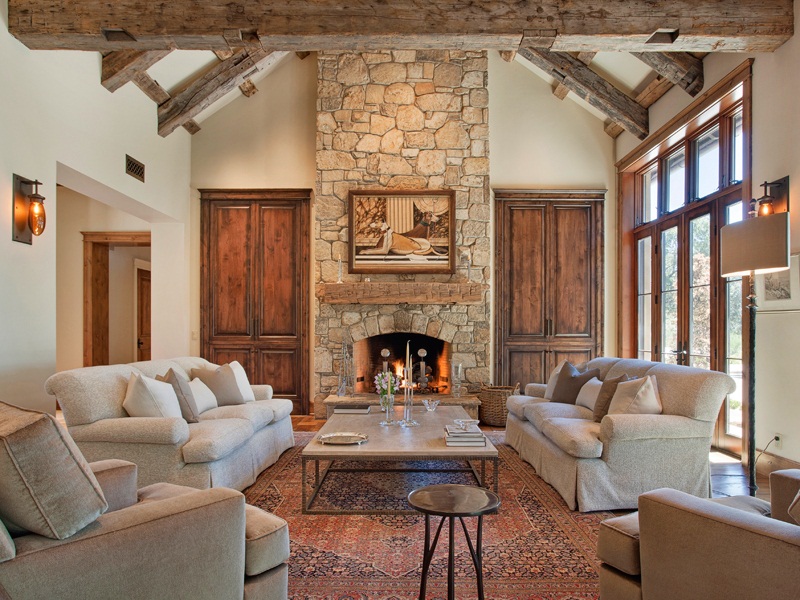
Interior design trends often push homeowners toward specific, singular aesthetics. You might feel forced to choose between the sleek, minimal allure of modern design or the warm, unrefined charm of rustic decor. Choosing one style does not mean you must completely abandon the other. Combining rustic and modern elements creates a rich, balanced aesthetic known as modern rustic. This design approach pairs the clean lines and functionality of contemporary living with the tactile warmth and history of natural materials.
Blending opposing design aesthetics requires intentionality. Without a thoughtful plan, mixing styles can lead to a chaotic space that feels disjointed rather than curated. By understanding the core principles of both styles and applying specific design strategies, you can build a cohesive home that feels both current and lived-in.
Understanding the Core Elements of Rustic Design
Rustic design centers on raw, natural beauty and rugged simplicity. It celebrates age, character, and imperfections, drawing inspiration from farmhouses, mountain cabins, and historical architecture.
-
Natural Materials: Unfinished wood, distressed timber, natural stone, brick, wrought iron, and raw leather form the foundation of rustic spaces.
-
Textural Depth: Coarse weaves, sheepskin, burlap, hand-woven wool, and weathered surfaces bring tactile variety to the environment.
-
Earthy Color Palettes: Warm browns, deep greens, terracotta, muted taupe, and warm creams reflect colors found directly in nature.
-
Handcrafted Quality: Rustic spaces prioritize furniture and decor that display craftsmanship, visible wood grain, hand-forged metalwork, and unique structural character.
Understanding the Core Elements of Modern Design
Modern design emerged in the early to mid-twentieth century, emphasizing structure, simplicity, and function over ornate decoration. It focuses on open spaces, uncluttered surfaces, and crisp geometry.
-
Clean Lines: Straight horizontal and vertical lines, sharp angles, and subtle curves define modern furniture and architectural features.
-
Minimalist Approach: Modern spaces prioritize open floor plans, clutter-free surfaces, and functional decor choices where every piece serves a purpose.
-
Neutral and High-Contrast Palettes: Modern design frequently relies on crisp whites, cool grays, deep blacks, and monochromatic bases, occasionally punctuated by primary color accents.
-
Smooth, Reflective Materials: Polished concrete, glass, chrome, brushed steel, smooth acrylic, and lacquered surfaces dominate modern interiors.
The 80/20 Rule: Establishing Style Dominance
A frequent error when combining two distinct decor styles is trying to split them equally down the middle. A 50/50 split often creates visual conflict, making the space feel like two separate rooms competing for attention. Applying the 80/20 rule establishes visual harmony and clear intent.
Select one style to serve as the dominant base, comprising approximately 80 percent of the room architecture, primary furniture pieces, and overall layout. The remaining 20 percent consists of accent pieces, light fixtures, textiles, or decorative accessories from the secondary style.
If your home features architectural details like concrete floors, floor-to-ceiling windows, and crisp white walls, your base style is modern. You can infuse warmth by adding a reclaimed wood coffee table, a hand-knotted wool rug, and vintage leather chairs. Conversely, if your home has exposed ceiling beams and structural brick walls, your base is rustic. You can modernize the space using streamlined sofas, minimalist track lighting, and glass-topped side tables.
Key Strategies for Blending Rustic and Modern Decor
Establish a Unifying Color Palette
Color acts as the glue that binds disparate design styles together. To prevent a rustic modern space from feeling visually fractured, choose a cohesive palette that incorporates elements from both aesthetics. Warm neutrals provide an ideal bridge. Off-white, soft beige, modern greige, charcoal, and warm warm gray allow raw wood tones to pop while maintaining modern clarity. Keep background walls neutral so that contrasting furniture pieces sit comfortably within the same visual plane.
Layer Textures for Depth and Contrast
Modern spaces can occasionally feel cold or sterile due to an abundance of flat, smooth surfaces like polished metal, quartz, and glass. Rustic design solves this issue by introducing rich texture. The key to mixing the styles is pairing smooth surfaces directly against rough ones.
-
Pair a sleek, white quartz kitchen island with rough-sawn wood barstools featuring black iron legs.
-
Position a minimalist velvet sofa against a reclaimed barn wood feature wall.
-
Place a polished chrome floor lamp beside an aged leather armchair.
Balance Clean Lines with Organic Shapes
Modern design relies heavily on geometric precision, featuring sharp rectangles, grids, and crisp angles. Rustic design embraces organic curves, irregular edges, and live-edge wood slices. Balancing these structural forms keeps a room visually dynamic. A rectangular modern dining table with minimalist metal legs gains character when surrounded by hand-carved wooden chairs. Similarly, a live-edge wooden dining table brings organic warmth when paired with sleek, molded plastic or metal chairs.
Use Statement Lighting as a Style Bridge
Lighting fixtures offer one of the easiest ways to mix styles without structural modifications. A ultra-modern geometric chandelier hanging over a massive, rustic oak dining table immediately signals design intent. Alternatively, industrial matte black pendant lights with exposed vintage bulbs can suspended over a smooth concrete kitchen counter, effortlessly connecting old and new elements.
Room-by-Room Guide to Rustic Modern Design
The Living Room
Focus on large foundational pieces first. A modern sectional with low-profile seating and track arms can anchor the space. Surround it with rustic accents, such as a salvaged timber coffee table, a distressed stone fireplace mantle, and accent pillows crafted from heavy linen or sheepskin. Keep window coverings simple, using floor-to-ceiling sheer panels or natural woven wood shades to let natural light flood the room.
The Kitchen and Dining Space
Modern kitchens excel in functionality, making them a great candidate for a modern base with rustic accents. Install sleek, handleless flat-panel cabinetry alongside built-in stainless steel appliances. Introduce rustic character through floating reclaimed wood shelves, a farmhouse sink paired with a sleek matte black faucet, or a butcher block kitchen island.
The Bedroom
In the bedroom, comfort and tranquility take priority. A modern platform bed frame made of black powder-coated steel provides a clean silhouette. Layer the bed with organic cotton sheets, a textured linen duvet, and a chunky knit throw blanket. Flank the bed with rustic nightstands made from raw oak, topped with minimalist brass reading lamps attached to the wall.
Common Mistakes to Avoid
-
Overcrowding the Space: Modern design requires breathing room. Avoid cluttering rustic accessories on every available surface. Let individual pieces stand out.
-
Ignoring Proportion and Scale: Ensure delicate modern furniture is not dwarfed by oversized, heavy rustic items. Measure pieces to confirm they balance out in visual weight.
-
Matching Wood Tones Too Strictly: Mixing different wood finishes adds authenticity. A rustic modern space benefits from pairing darker walnut accents with lighter white oak, provided the undertones remain compatible.
Frequently Asked Questions
How do you handle metal finishes when mixing rustic and modern styles?
Mixing metal finishes adds depth to a space when done intentionally. Stick to two or three distinct metal finishes throughout a room. Matte black serves as an ideal anchor metal because it appears in both modern minimalist hardware and traditional rustic ironwork. Combine matte black elements with a warmer metal like brushed brass or antique copper to add heat, or cooler metals like polished chrome for a sharp modern edge. Maintain consistency by keeping hardware within specific functional groups uniform, such as matching cabinet pulls throughout the kitchen.
What window treatments work best in a rustic modern home?
Window treatments in a rustic modern space should maximize natural light while adding subtle texture. Heavy, ornate drapery with complex patterns often clashes with modern clean lines. Opt for natural woven wood shades made of bamboo or jute to introduce organic texture. If fabric curtains are preferred, select full-length, unpatterned linen or cotton panels suspended from minimalist matte black or brushed metal curtain rods.
Can rustic modern design work in a small studio apartment?
Rustic modern design works exceptionally well in compact spaces because the modern component keeps the floor plan open and uncluttered, while the rustic component adds homey warmth. In smaller spaces, emphasize modern geometry for large furniture like sofas and beds to save visual space. Integrate rustic elements through smaller functional items like floating reclaimed wood shelves, a small wooden bistro table, textured throw pillows, and woven storage baskets.
How do you choose art for a room that combines rustic and modern elements?
Artwork provides an opportunity to bridge the two styles. Large-scale abstract paintings with minimalist compositions framed in simple light-wood frames look excellent on exposed brick or wood-paneled walls. Alternatively, black-and-white landscape photography mounted in sleek black frames creates a striking focal point above a rustic mantle or distressed wood sideboard. Avoid overly traditional oil paintings with elaborate gilded frames, as these can disrupt the clean balance of rustic modern spaces.
What are the best flooring options for bridging rustic and modern aesthetics?
Wide-plank hardwood flooring is the standard choice for bridging these styles. Lighter wood tones like white oak, European oak, or natural ash provide a bright modern foundation while showcasing organic grain patterns. Polished concrete floors offer another excellent option, serving as a clean modern base that pairs dramatically with large rustic area rugs made of wool, jute, or vintage patterned kilims.
How can you incorporate modern technology into a rustic modern space without ruining the aesthetic?
Technology should blend seamlessly into the architecture or remain concealed when not in use. Mount flat-screen televisions on neutral walls or frame them with simple wood trim so they resemble artwork when powered off. Hide cable boxes, gaming consoles, and routers inside traditional rustic sideboards or media consoles equipped with ventilated back panels. Choose smart home accessories, like speakers or thermostats, in minimalist matte black or neutral white casing so they blend unobtrusively into modern shelving.
What role do house plants play in a blended rustic and modern decor scheme?
House plants serve as a vital natural connector between crisp modern architecture and rugged rustic elements. The organic shapes of leaves soften modern angles, while fresh greenery brightens weathered wood surfaces. Position large statement plants like a fiddle-leaf fig, bird of paradise, or snake plant in simple terracotta planters, smooth concrete pots, or woven seagrass baskets to enhance the organic feel of the room.