

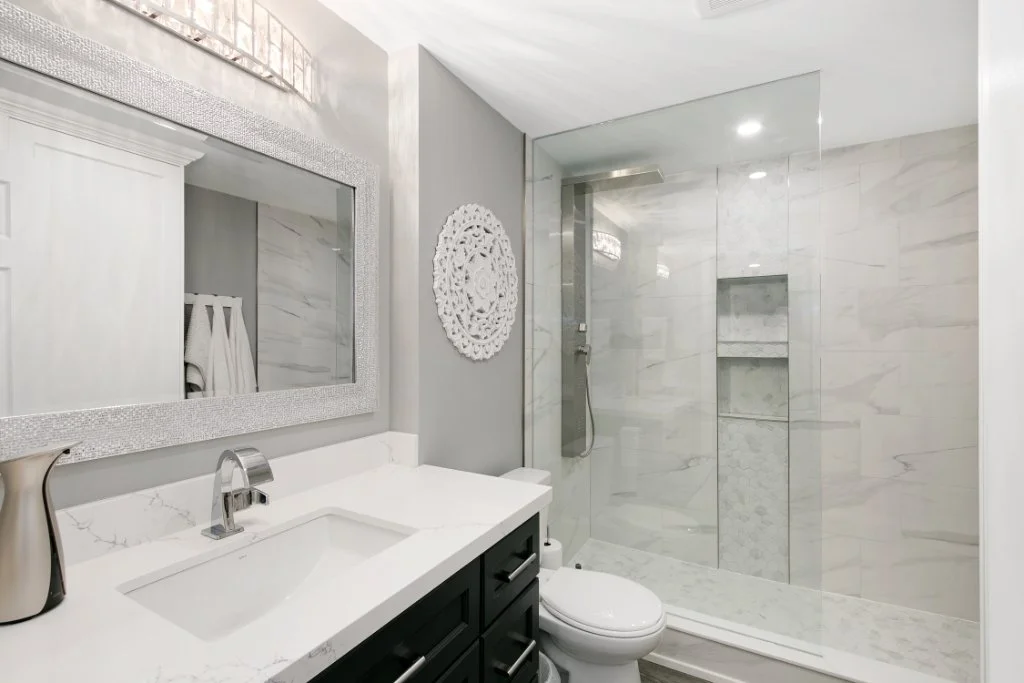
Bathroom renovations consistently rank among the most impactful home improvement projects for boosting property value and attracting prospective buyers. Whether preparing a house for immediate sale or planning a long-term investment in daily comfort, a well-executed bathroom update offers a strong return on investment. However, not all renovation decisions generate equal financial returns. Over-customizing a space with niche trends or over-improving beyond neighborhood standards can quickly diminish profit margins.
Achieving a high financial return requires a strategic approach that balances aesthetic appeal, functional longevity, and cost discipline. The most profitable projects focus on clean design, water efficiency, durable materials, and smart spatial planning. By prioritizing high-impact upgrades while keeping structural alterations to a minimum, homeowners can maximize their equity gain while creating an inviting, modern sanctuary.
Focus on High-Impact Mid-Range Upgrades
Data consistently shows that mid-range bathroom remodels yield a higher percentage return on investment than ultra-luxury overhauls. High-end custom features often carry inflated material and labor costs that buyers in average real estate markets are unwilling to fully reimburse. Focusing on mid-range updates refreshes the room entirely while preserving a favorable cost-to-value ratio.
-
Upgrade Vanities and Countertops: Replacing a worn or outdated vanity with a solid wood unit topped with quartz or solid-surface material provides an immediate visual upgrade. Quartz is non-porous, stain-resistant, and requires far less maintenance than marble or granite, making it a favorite among modern buyers.
-
Convert Tub-Shower Combos to Walk-In Showers: In primary suites, replacing an awkward acrylic tub-and-shower enclosure with a spacious, tiled walk-in shower is one of the single most desirable features in contemporary home design.
-
Modernize Fixtures and Hardware: Swapping out dated chrome or brass faucets, showerheads, and cabinet pulls for cohesive, high-quality finishes elevates the entire room at a fraction of the cost of structural remodeling.
-
Install Comfort-Height, High-Efficiency Toilets: Older toilets consume excessive water and often sit low to the ground. Upgrading to a elongated, comfort-height model with dual-flush capability improves accessibility and lowers monthly utility expenses.
Optimize Lighting and Ventilation Infrastructure
Poor lighting and inadequate ventilation can ruin the appeal of an otherwise beautiful bathroom. Dark corners make spaces feel small, while excess moisture leads to mold growth, peeling paint, and wood rot that damage structural integrity over time.
-
Layer Ambient and Task Lighting: Relying on a single overhead light fixture creates harsh shadows. A high-yield lighting layout combines recessed ceiling lights for general brightness with vertical sconces on either side of the vanity mirror for even, shadow-free facial illumination.
-
Install High-Capacity, Quiet Exhaust Fans: Mold and moisture mitigation are top concerns for home inspectors and savvy buyers. Installing a modern exhaust fan rated for low sones quietly pulls humid air out of the room, protecting cabinet finishes and painted surfaces.
-
Incorporate Smart Controls: Adding timer switches or humidity-sensing wall controls ensures the exhaust fan runs long enough to clear steam completely without remaining on indefinitely, preserving motor life and saving energy.
-
Integrate Illuminated or Anti-Fog Mirrors: LED-backlit mirrors provide smooth, contemporary accent lighting while adding a clean, hotel-like aesthetic that appeals directly to modern design sensibilities.
Choose Timeless Tile and Flooring Materials
Flooring and wall surfaces in a bathroom endure severe exposure to moisture, humidity, and foot traffic. Selecting materials that offer exceptional durability alongside classic, broad-appeal aesthetics safeguards your investment against changing interior design fads.
-
Select Porcelain or Ceramic Floor Tile: Porcelain tile is denser and less porous than standard ceramic, making it the premier choice for bathroom floors. It resists water absorption, scratches, and stains while offering realistic stone and wood textures.
-
Utilize Large-Format Tiles: Installing larger floor tiles reduces the number of grout lines in the room. Fewer grout lines create a seamless, expansive look that makes compact bathrooms feel substantially larger while significantly reducing ongoing cleaning labor.
-
Stick to Neutral Color Palettes: Bold graphic colors and highly specific tile patterns can alienate potential buyers. Classic white, warm gray, beige, and soft natural stone tones provide a clean canvas that allows buyers to envision their own decorative touches.
-
Add Low-Cost Radiant Floor Heating: In colder climates, electric radiant floor heating mats installed beneath the floor tile represent a relatively low material investment that delivers a noticeable luxury feel during open houses and daily use.
Strategic Plumbing and Water Efficiency Upgrades
Behind the cosmetic finishes lie the core plumbing systems that dictate how well a bathroom functions. Modern buyers place a premium on homes with efficient plumbing fixtures that reduce environmental impact and lower household utility bills.
-
Choose Low-Flow, High-Pressure Fixtures: Modern low-flow showerheads and aerated sink faucets conserve gallons of water per minute without sacrificing water pressure, offering environmental efficiency alongside strong performance.
-
Upgrade Shower Valves: Installing thermostatic shower valves allows users to set and maintain precise water temperatures, preventing sudden scalds when water is used elsewhere in the house.
-
Replace Aging Galvanized Pipes: If a home still contains original galvanized steel plumbing, replacing accessible supply lines with durable PEX or copper during demolition prevents future leaks and improves overall water flow pressure.
-
Install Dedicated Shutoff Valves: Ensuring every fixture has an accessible, smooth-operating quarter-turn ball valve underneath simplifies maintenance and gives future owners confidence in leak prevention.
Smart Layout Improvements Without Moving Plumbing Lines
Reconfiguring the floor plan of a bathroom by relocating toilets, sinks, or drainage stacks adds massive labor expenses to a project. Plumbers must break through subfloors or concrete slabs and reroute vent stacks, quickly eroding the project return on investment.
-
Preserve the Existing Plumbing Footprint: Keeping the toilet, shower, and vanity in their original positions saves thousands of dollars in trade labor, allowing you to reallocate those funds toward higher-quality surface materials and fixtures.
-
Maximize Vertical Storage: Installing built-in wall niches inside shower enclosures and recessed medicine cabinets above vanities adds critical storage without encroaching on floor space.
-
Install Floating or Space-Saving Vanities: A wall-mounted floating vanity exposes more floor tile underneath, creating an optical illusion of greater room square footage in tight powder rooms or guest baths.
-
Use Frameless Glass Shower Enclosures: Replacing heavy shower curtains or thick framed metal glass doors with clear, frameless glass panels opens up sightlines across the entire room, making the space feel airier and brighter.
FAQ
What percentage of the overall home value should be allocated to a bathroom renovation?
A standard benchmark for a primary bathroom renovation is three to five percent of the total market value of the home. Spending significantly above this range risks over-improving the space relative to the property value, which lowers the overall percentage return on investment upon resale.
How do prospective buyers view tub removal in a primary bathroom versus a secondary hall bathroom?
Converting a tub to a large walk-in shower in a primary suite is generally viewed very favorably by adult buyers. However, maintaining at least one full bathtub elsewhere in the home, such as in a hallway or guest bathroom, is essential for preserving resale value for families with young children.
Which hardware finishes offer the best longevity and market appeal across changing interior trends?
Brushed nickel and matte black are currently considered the most versatile and durable hardware finishes. They resist water spots and fingerprints far better than polished chrome, while blending seamlessly with both traditional and contemporary design schemes.
Is it necessary to hire a licensed general contractor for a mid-range bathroom update?
If the project involves moving electrical lines, updating internal plumbing stacks, or altering load-bearing framing, hiring a licensed general contractor ensures compliance with local building codes. For cosmetic updates like replacing vanities, lighting, and surface tile, individual trade specialists or skilled handymen can complete the work cost-effectively.
How does adding a new half-bathroom compare in return on investment to remodeling an existing full bathroom?
Adding a new half-bathroom or powder room to a home that previously had only one bath often yields a higher absolute equity boost than remodeling an existing one. Going from one bathroom to one-and-a-half or two bathrooms expands the buyer pool significantly and increases property valuation.
What moisture-resistant drywall standards should be used in wet zones during a bathroom remodel?
Standard drywall should never be used behind shower or tub tile. High-moisture zones require cementitious backer board, fiber-cement panels, or waterproof foam building boards. Surrounding non-shower walls should utilize moisture-resistant greenboard or purple drywall to prevent vapor absorption.
How can homeowners accurately track return on investment when renovating a bathroom prior to listing?
Homeowners can consult local real estate agents to review recent sales of comparable homes in their immediate neighborhood. Comparing the sale prices of homes with updated bathrooms against those with original fixtures provides a clear picture of local market premiums for renovated spaces.