

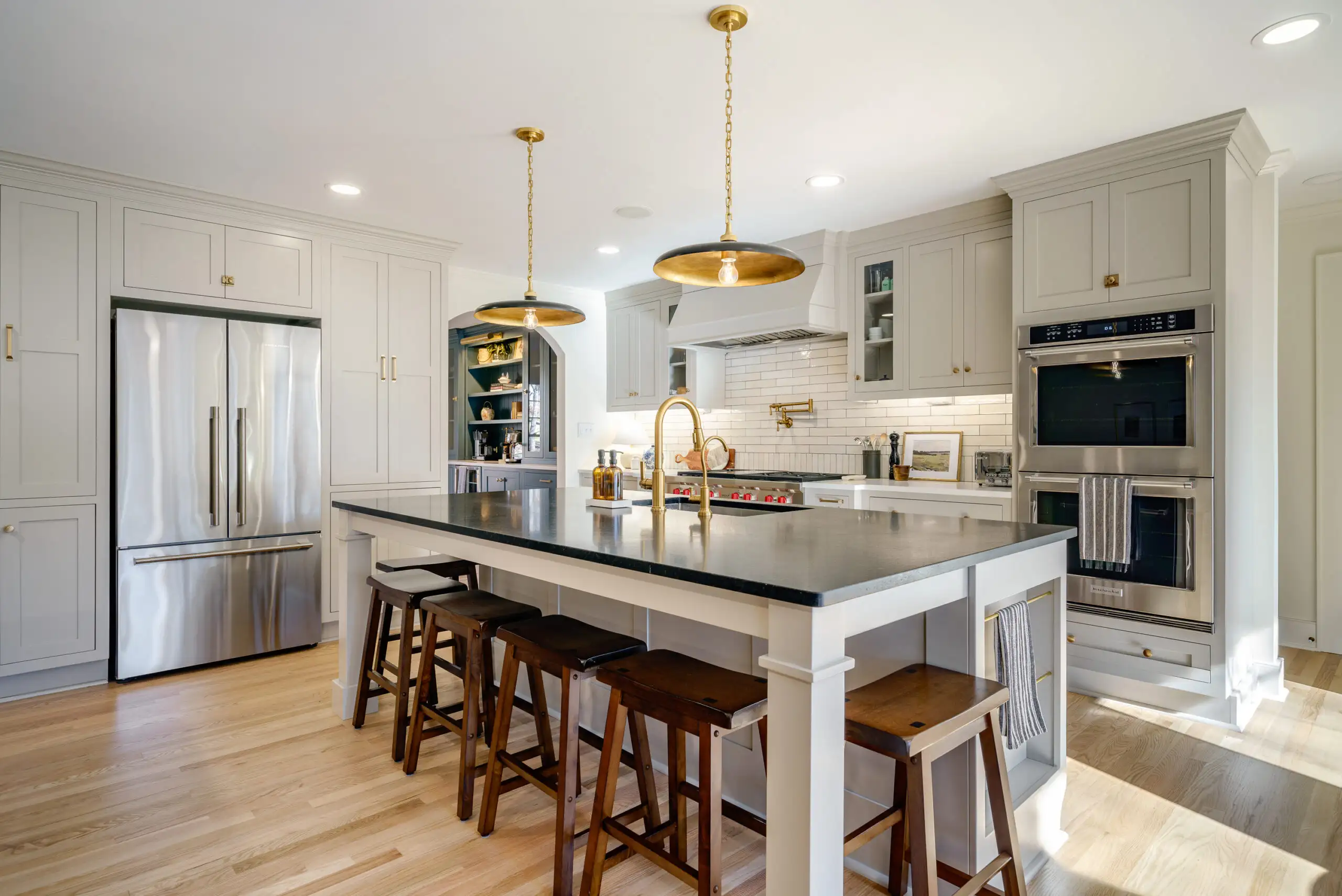
Renovation is more than a cosmetic upgrade—it’s a strategic process that reshapes how a space looks, feels, and functions. Whether you’re updating a single room or overhauling an entire property, a well-planned renovation can significantly improve comfort, efficiency, and long-term value. This guide breaks down the renovation journey in a clear, practical way, helping you make informed decisions from start to finish.
What Renovation Really Means
Renovation refers to improving, repairing, or updating an existing structure without completely demolishing it. Unlike rebuilding, renovation works within the current framework while enhancing aesthetics, usability, and performance.
Common renovation goals include:
-
Modernizing outdated interiors
-
Fixing wear-and-tear or structural issues
-
Improving energy efficiency
-
Adapting spaces to new lifestyles or needs
Types of Renovation Projects
Not all renovations are the same. Understanding the main categories helps set expectations and budgets.
Cosmetic Renovation
Focused on appearance rather than structure. Examples include painting, flooring replacement, lighting updates, and fixture changes.
Structural Renovation
Involves changes to walls, roofs, foundations, or layouts. These projects often require permits and professional oversight.
Functional Renovation
Improves how a space works. This may include storage optimization, kitchen workflow redesign, or bathroom accessibility upgrades.
Energy-Efficiency Renovation
Aimed at reducing energy use and costs through insulation, window upgrades, efficient HVAC systems, and smart technology.
Planning a Successful Renovation
A renovation’s success is determined long before the first tool is used. Planning is where most projects either gain clarity—or invite problems.
Define Clear Objectives
Ask yourself what you want to achieve. Is it better functionality, increased property value, or a fresh look? Clear goals guide every decision that follows.
Set a Realistic Budget
A smart budget accounts for:
-
Materials and labor
-
Permits and inspections
-
A contingency fund (10–20%) for unexpected issues
Create a Practical Timeline
Renovations often take longer than expected. Build flexibility into your schedule, especially if structural work is involved.
Hire the Right Professionals
Architects, designers, and contractors bring expertise that prevents costly mistakes. Always verify licenses, experience, and references.
Choosing Materials That Last
Materials define both the look and durability of your renovation. Choosing wisely balances aesthetics, performance, and maintenance.
Key considerations include:
-
Durability: High-traffic areas need resilient materials
-
Maintenance: Low-maintenance options save time long-term
-
Sustainability: Eco-friendly materials reduce environmental impact
-
Consistency: Cohesive finishes create a polished result
Common Renovation Mistakes to Avoid
Even well-intentioned renovations can go wrong. Being aware of common pitfalls helps you stay on track.
-
Skipping proper planning
-
Underestimating costs
-
Ignoring permits and regulations
-
Prioritizing trends over long-term needs
-
Hiring based solely on the lowest quote
How Renovation Adds Property Value
A thoughtful renovation can significantly boost resale appeal. Buyers tend to value:
-
Updated kitchens and bathrooms
-
Energy-efficient upgrades
-
Functional layouts with good natural light
-
Quality workmanship and finishes
Not every renovation guarantees a return, but improvements that enhance usability and efficiency usually perform best.
Living Through a Renovation
Renovating while occupying the space requires patience and preparation. Minimizing disruption involves:
-
Setting up temporary living arrangements if needed
-
Protecting furniture and valuables
-
Establishing clear communication with contractors
-
Accepting that flexibility is part of the process
Renovation Trends That Are Standing the Test
While trends change, some renovation choices consistently remain popular:
-
Open and flexible layouts
-
Neutral color palettes with natural textures
-
Smart home integrations
-
Sustainable and energy-saving features
Choosing timeless design elements ensures your renovation ages gracefully.
FAQ: Renovation Questions Answered
1. How long does a typical renovation take?
Timelines vary based on scope. Cosmetic renovations may take weeks, while structural projects can last several months.
2. Do I need permits for renovation?
Many renovations, especially structural or electrical work, require permits. Local regulations determine what’s needed.
3. Is it better to renovate all at once or in phases?
This depends on budget and lifestyle. Full renovations are faster overall, while phased projects spread costs over time.
4. How can I control renovation costs?
Detailed planning, fixed-price contracts, and a contingency fund help manage expenses effectively.
5. Can renovation improve energy efficiency?
Yes. Insulation, modern windows, efficient appliances, and smart systems significantly reduce energy use.
6. What renovation adds the most value to a home?
Kitchen and bathroom upgrades consistently provide strong returns when done with quality materials and workmanship.
7. Should I renovate before selling my property?
Selective renovations that improve appearance and functionality can increase market appeal and selling price.