

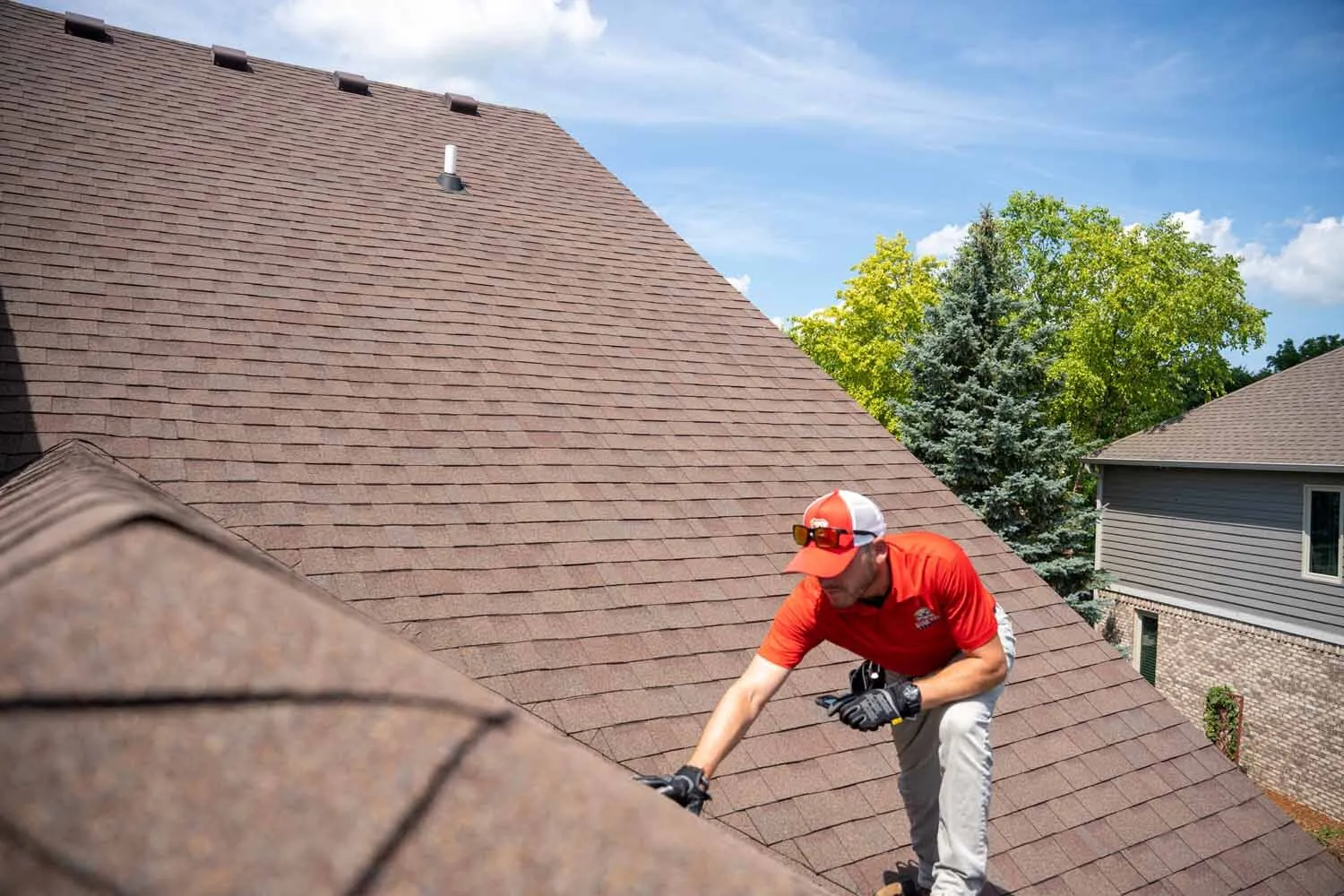
Roofing is more than a finishing touch—it is a home’s primary defense against weather, heat, and moisture. A well-built roof improves energy efficiency, protects structural integrity, and boosts curb appeal. Whether you are building new, replacing an aging system, or planning maintenance, understanding roofing fundamentals helps you make confident, cost-effective choices.
Why Roofing Quality Matters
A roof endures constant exposure to sun, wind, rain, and temperature changes. Poor materials or installation can lead to leaks, insulation problems, and premature failure.
Key benefits of quality roofing include:
-
Long-term protection from the elements
-
Improved indoor comfort and temperature control
-
Higher property value and resale appeal
-
Reduced repair and maintenance costs over time
Common Roofing Materials Explained
Choosing the right material depends on climate, budget, and architectural style.
Asphalt Shingles
The most widely used option due to affordability and versatility.
-
Easy to install and repair
-
Available in many colors and textures
-
Typical lifespan: 20–30 years
Metal Roofing
Known for durability and energy efficiency.
-
Reflects heat and lowers cooling costs
-
Resistant to fire, rot, and insects
-
Lifespan can exceed 40–70 years
Clay and Concrete Tiles
Popular in warm and coastal regions.
-
Excellent resistance to heat and UV exposure
-
Distinctive aesthetic appeal
-
Heavier material requiring reinforced structure
Flat Roofing Systems
Often used on commercial buildings and modern homes.
-
Efficient use of space
-
Easier access for inspections
-
Requires diligent drainage management
Roofing Installation: What to Expect
Professional installation plays a crucial role in roof performance. The process generally involves:
-
Removing old materials
-
Inspecting and repairing the deck
-
Installing underlayment for moisture protection
-
Applying the chosen roofing material
-
Sealing flashing and edges
A properly installed roof minimizes leaks and ensures compliance with building standards.
Maintenance Tips to Extend Roof Life
Routine care significantly extends a roof’s lifespan.
Best practices include:
-
Inspecting the roof twice a year and after major storms
-
Clearing debris from gutters and valleys
-
Replacing damaged shingles promptly
-
Checking flashing around chimneys and vents
Small issues addressed early prevent costly structural damage.
Signs Your Roof May Need Replacement
Ignoring warning signs can lead to expensive repairs.
Watch for:
-
Curling, cracked, or missing shingles
-
Persistent leaks or water stains
-
Sagging roof lines
-
Excessive granules in gutters
If multiple symptoms appear together, replacement is often more economical than repeated repairs.
Energy Efficiency and Modern Roofing
Today’s roofing options go beyond protection. Many materials are designed to improve energy efficiency by reflecting sunlight and enhancing insulation. Cool roofs and reflective coatings can reduce energy bills and increase indoor comfort, especially in warmer climates.
Choosing the Right Roofing Professional
Selecting an experienced contractor is just as important as choosing materials.
-
Verify licensing and insurance
-
Review past projects and customer feedback
-
Request detailed written estimates
-
Ask about warranties on labor and materials
A reputable professional ensures safety, quality workmanship, and long-term reliability.
Frequently Asked Questions
How long does a typical roof last?
Lifespan varies by material, climate, and maintenance, but most residential roofs last between 20 and 50 years.
What is the best roofing option for extreme weather?
Metal and impact-resistant shingles perform well in areas with heavy storms or high winds.
Can a new roof improve home energy efficiency?
Yes, modern roofing materials can reduce heat transfer and lower heating and cooling costs.
How often should a roof be inspected?
At least twice a year, ideally in spring and fall, plus after severe weather events.
Is roof repair always cheaper than replacement?
Not always. Frequent repairs on an aging roof can exceed the cost of a full replacement.
Does roof color affect performance?
Lighter colors reflect more sunlight, helping reduce heat absorption in warm climates.
What factors influence roofing costs the most?
Material choice, roof size, slope, labor rates, and structural complexity all affect total cost.