

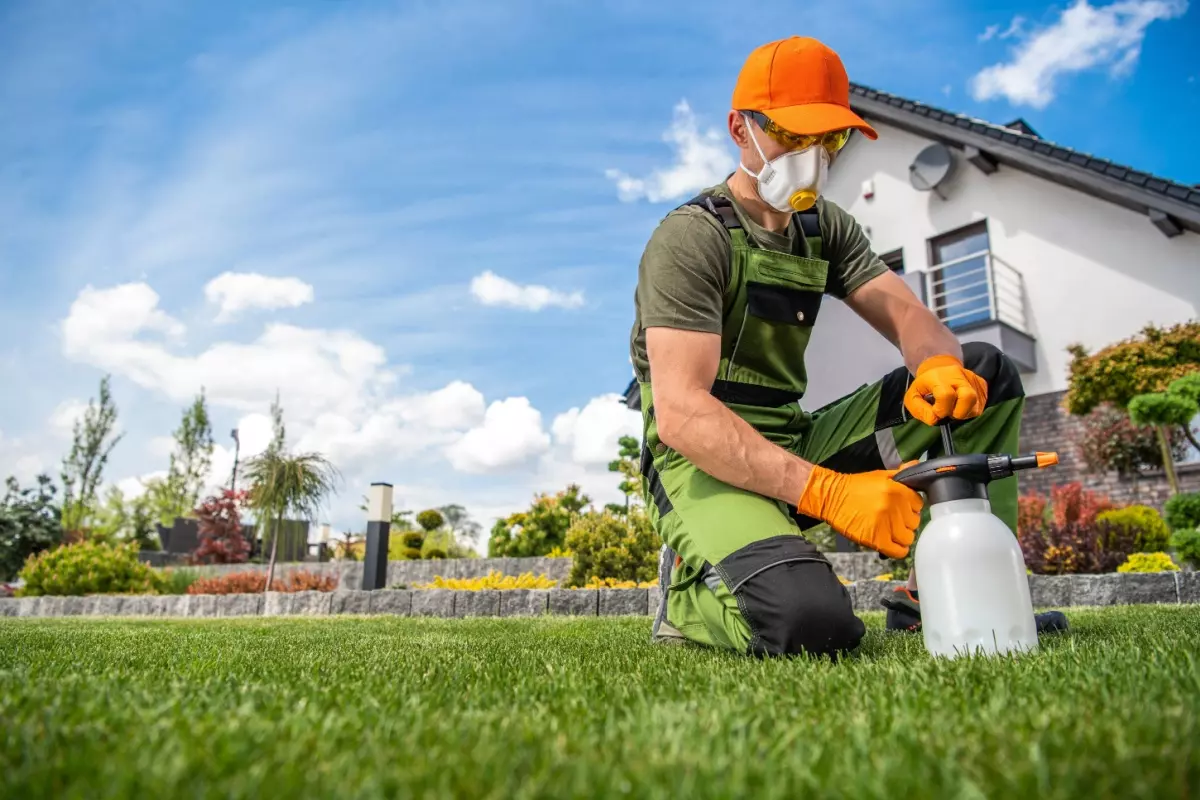
Pest control is more than an inconvenience fix—it’s a critical part of maintaining healthy living spaces, protecting property, and preventing disease. From ants in kitchens to termites in foundations, unmanaged pests can quickly escalate into costly and hazardous problems. This guide explains pest control clearly, focusing on prevention, treatment options, and long-term protection.
What Is Pest Control?
Pest control refers to the management and elimination of organisms that threaten human health, food supplies, or property. These pests commonly include insects, rodents, and other unwanted animals that invade homes, workplaces, and agricultural areas.
Effective pest control combines prevention, monitoring, and targeted treatment, rather than relying on a single solution.
Why Pest Control Is Essential
Ignoring pest issues can lead to serious consequences over time. Proper pest control helps to:
-
Reduce health risks caused by bacteria, allergens, and bites
-
Protect structures from damage caused by termites and rodents
-
Preserve food safety in homes and businesses
-
Improve comfort and peace of mind
Early intervention often prevents minor infestations from becoming major problems.
Common Household Pests
Understanding the type of pest is the first step toward effective control.
Insects
-
Ants – attracted to food and moisture
-
Cockroaches – spread bacteria and trigger allergies
-
Bed bugs – feed on blood and disrupt sleep
-
Termites – silently damage wood and foundations
Rodents
-
Rats and mice – chew wiring, contaminate food, and spread disease
Each pest requires a different control approach based on behavior and habitat.
Pest Control Methods Explained
Preventive Pest Control
Prevention reduces the chances of infestation before it begins.
-
Sealing cracks and gaps
-
Storing food in airtight containers
-
Managing moisture and leaks
-
Maintaining cleanliness indoors and outdoors
Chemical Pest Control
This method uses approved pesticides to eliminate pests quickly.
-
Effective for severe infestations
-
Must be applied correctly to avoid health risks
-
Best handled by trained professionals
Biological Pest Control
Biological control uses natural predators or organisms to reduce pest populations.
-
Environmentally friendly
-
Common in agriculture and gardens
-
Limited effectiveness indoors
Integrated Pest Management (IPM)
Integrated Pest Management combines multiple strategies for long-term results.
-
Focuses on monitoring and prevention
-
Minimizes chemical use
-
Considered the most sustainable approach
Professional vs. DIY Pest Control
DIY Pest Control
-
Suitable for minor issues
-
Lower initial cost
-
Risk of incorrect application
Professional Pest Control
-
Accurate pest identification
-
Long-term solutions and warranties
-
Safer handling of chemicals
For recurring or severe infestations, professional services are often more effective and economical in the long run.
How Often Should Pest Control Be Done?
The frequency depends on location, climate, and pest type. Many homes benefit from quarterly inspections, while high-risk areas may require monthly monitoring. Preventive treatments are usually more effective than reactive ones.
Choosing the Right Pest Control Service
When selecting a pest control provider, consider:
-
Licensing and certification
-
Experience with your specific pest issue
-
Transparent pricing and treatment plans
-
Use of eco-conscious methods
A reputable service focuses on long-term prevention, not just temporary relief.
Frequently Asked Questions (FAQs)
1. Is pest control safe for children and pets?
Yes, when performed correctly using approved products and proper precautions, modern pest control is designed to be safe for families and pets.
2. Can pests return after treatment?
Pests can return if entry points and attractants are not addressed. Preventive measures are essential for lasting results.
3. What are the signs of a hidden infestation?
Unusual odors, droppings, damaged wood, grease marks, or increased pest sightings often indicate hidden infestations.
4. Are natural pest control methods effective?
Natural methods work best for prevention and mild infestations but may not eliminate severe pest problems.
5. How long does pest control treatment last?
Treatment effectiveness varies by pest type and environment, typically lasting from a few weeks to several months.
6. Do I need pest control if I keep my home clean?
Cleanliness helps, but pests can still enter through cracks, pipes, and outdoor sources, making preventive pest control valuable.
7. What time of year is best for pest control?
Spring and early summer are ideal for preventive treatments, though year-round control offers the best protection.