

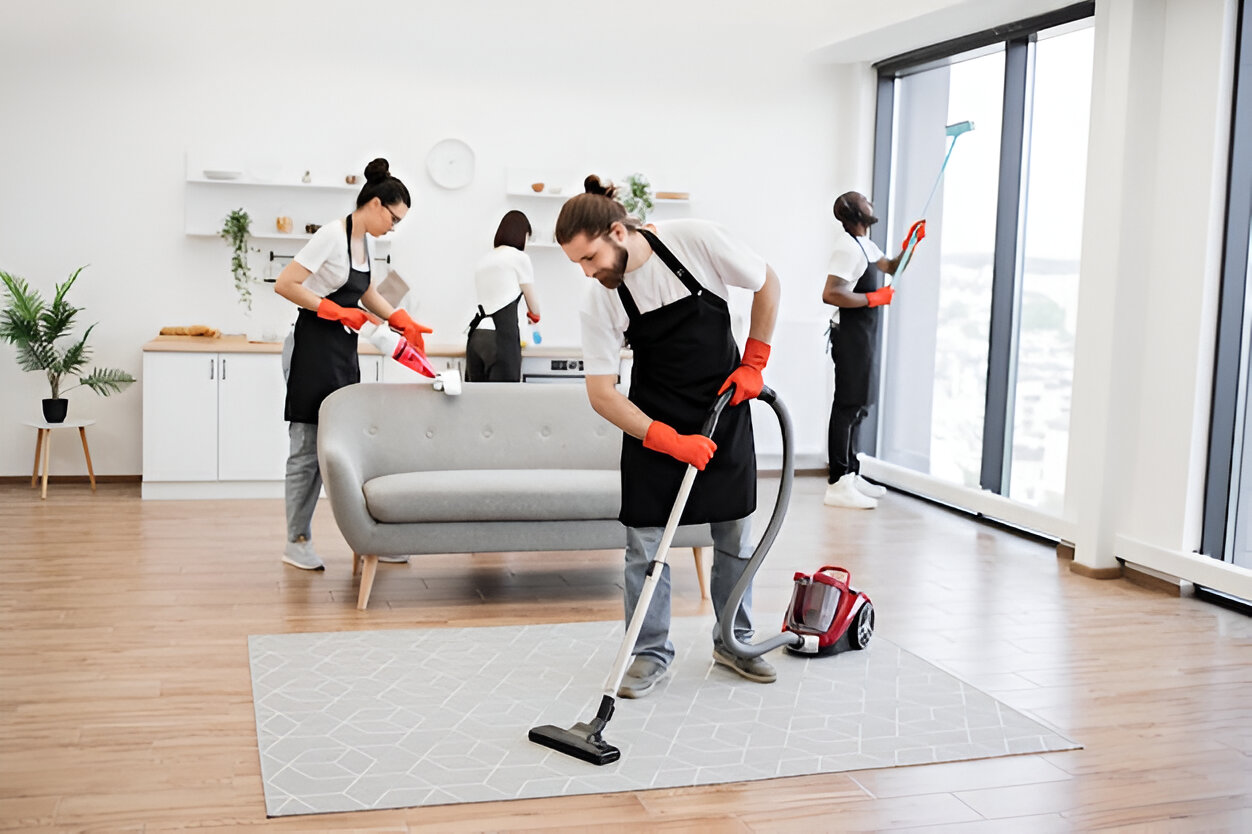
When people consider home health, they often think about healthy eating, exercise, or water filtration. However, the air circulating inside living spaces plays a far more immediate role in daily physical well-being. Most individuals spend the vast majority of their time indoors, where air pollution levels can frequently run two to five times higher than outdoor environments. Unseen airborne particulate matter, biological allergens, volatile organic compounds, and microscopic debris accumulate continuously in enclosed spaces.
While light, surface-level tidying keeps a home visually neat, it often fails to eliminate the root causes of indoor air pollution. In fact, improper cleaning techniques like dry dusting or sweeping with low-quality equipment can actually stir up settled particulates and redistribute them throughout the atmosphere. Professional routine cleaning services address these underlying contamination sources through specialized techniques, high-grade equipment, and structured maintenance schedules that systematically purify indoor environments.
Understanding Common Indoor Air Contaminants
Indoor air quality deteriorates as dynamic pollution sources release biological and synthetic materials into static living environments. Identifying these contaminants highlights why surface organization alone is insufficient to protect respiratory health.
-
Dust Mites and Waste: Microscopic dust mites thrive in soft furnishings, mattresses, carpets, and upholstered furniture. Their waste products contain potent protein allergens that easily become airborne whenever cushions are depressed or carpets are walked upon.
-
Pet Dander and Microscopic Shedding: Shed skin flakes, dried saliva, and microscopic fur particles from household pets drift across rooms, embedding deeply into floor fibers and remaining suspended in air currents for extended periods.
-
Pollen and Outdoor Infiltration: Outdoor seasonal allergens enter homes through open doors, windows, clothing, and footwear, accumulating rapidly on entryway rugs and hard flooring surfaces.
-
Mold Spores and Fungal Growth: Damp microenvironments, such as bathroom tile grout, under-sink cabinet corners, and laundry rooms, foster fungal growth that releases microscopic spores into the surrounding ventilation stream.
-
Volatile Organic Compounds: Household cleaning chemicals, synthetic air fresheners, off-gassing furniture glues, and paints release gaseous chemical pollutants that linger in unventilated indoor spaces.
High-Efficiency Vacuuming and Deep Carpet Remediation
Carpeting acts as a giant environmental filter inside a home, trapping dust, dirt, dander, and pollen that float down from the air. While this filtering effect keeps particulates out of circulation temporarily, carpets eventually reach a saturation point. Once saturated, every footstep acts as a mechanical pump, launching concentrated plumes of trapped particulate matter back into the breathing zone.
Professional routine cleaning services utilize commercial-grade vacuum cleaners equipped with High-Efficiency Particulate Air filters. True HEPA filtration systems capture 99.97 percent of airborne particles as small as 0.3 microns, including pollen, pet dander, mold spores, and dust mite fragments. Standard consumer vacuums frequently lack airtight seals and high-efficiency exhaust filters, meaning they suck up coarse dirt while exhausting fine hazardous particles straight back into the room.
In addition to advanced filtration, professional cleaners employ motorized brush rollers and specialized suction attachments that agitate deep carpet fibers. Removing embedded soils at regular intervals prevents carpet fibers from breaking down and prevents the floor from becoming a perpetual reservoir for airborne irritants.
Precision Dusting Techniques That Capture Particulates
Traditional dusting methods often do more harm than good for indoor air quality. Feather dusters and dry rags simply push particles off surfaces and fling them into the surrounding air column, where they remain suspended for hours before settling back onto furniture and floors.
Routine cleaning professionals rely on electrostatic microfiber cloths and damp wiping protocols to capture dust on contact. Microfiber materials possess a natural positive charge that attracts negatively charged dust particles, locking them into the fabric rather than scattering them.
Systematic top-to-bottom wiping ensures that any loose particles dislodged during the cleaning process descend onto uncleaned lower surfaces or floors, where they are subsequently captured during final vacuuming or damp mopping passes. By systematically clearing dust from high ledges, ceiling fan blades, light fixtures, and window blinds every few weeks, routine services eliminate major dust reservoirs before air currents can circulate them across living areas.
Humidity Management and Mold Prevention in Damp Areas
Mold spores are everywhere in the outdoor environment, but they require moisture and organic matter to colonize indoor spaces. Bathrooms, kitchens, basements, and utility rooms provide ideal conditions for mold and mildew growth due to elevated humidity and frequent moisture exposure.
Left unchecked, minor moisture accumulation around shower tiles, sink basin rims, and refrigerator drip pans can quickly develop into active fungal colonies. Active mold continuously sheds millions of microscopic spores and volatile organic compounds into the indoor air stream, triggering allergic reactions, respiratory distress, and unpleasant musty odors.
Routine cleaning services target these vulnerable zones with specialized antimicrobial treatments and non-abrasive scrubbing tools. Cleaning teams thoroughly sanitize damp surfaces, scrub grout lines, dry standing water, and clear organic soap scum that serves as food for fungal spores. Consistently disrupting moisture accumulation prevents mold from establishing permanent footholds inside living areas.
Reducing Volatile Organic Compounds Through Green Cleaning
A common paradox in home maintenance occurs when the products used to clean a space actually degrade the surrounding air quality. Traditional commercial cleaners often contain harsh synthetic chemicals, artificial fragrances, chlorine bleach, and ammonia. These ingredients off-gas volatile organic compounds that cause eye irritation, headaches, and long-term airway inflammation.
Modern professional cleaning services increasingly employ green cleaning protocols that prioritize eco-friendly, non-toxic formulations. Utilizing plant-based surfactants, hydrogen peroxide disinfectants, and fragrance-free sanitizers allows professional teams to neutralize pathogens and dissolve grease without introducing hazardous chemical fumes into the home.
Furthermore, professional cleaning eliminates the temptation for homeowners to over-use heavily scented air fresheners or aerosol sprays. By addressing the root organic sources of indoor odors rather than masking them with synthetic fragrances, routine cleaning yields clean air that is naturally odorless and free of chemical vapors.
Protecting HVAC Efficiency and Circulation Paths
Heating, ventilation, and air conditioning systems serve as the respiratory engine of a home, continuously pulling interior air through return vents, conditioning it, and redistributing it across living spaces. When a home suffers from heavy dust accumulation, the HVAC filter clogs rapidly, reducing airflow velocity and forcing dirty air around filter edges.
Routine cleaning services support home HVAC performance by keeping air distribution pathways clear. Cleaning supply vents, return grilles, baseboard heaters, and nearby wall areas prevents dust buildup from being drawn directly into the ductwork.
When ambient dust levels are kept consistently low throughout the house, HVAC filters stay cleaner longer, static pressure inside air handlers decreases, and conditioned air circulates smoothly. This synergistic relationship between routine surface cleaning and ventilation efficiency ensures that every room receives fresh, properly filtered air.
The Cumulative Health and Mental Well-Being Benefits
Investing in routine professional cleaning delivers far-reaching physical and cognitive rewards over time. Consistently low allergen levels inside the home give the human immune system a chance to rest and recover, particularly for individuals suffering from chronic asthma, seasonal allergies, or autoimmune sensitivities.
-
Improved Sleep Quality: Clean bedroom air free of dust mites and airborne allergens reduces nighttime congestion, snoring, and breathing disruptions, allowing deeper restorative sleep cycles.
-
Reduced Respiratory Strain: Eliminating fine particulate matter lowers airway inflammation, reducing reliance on antihistamines or rescue inhalers for sensitive occupants.
-
Enhanced Focus and Energy: Poor indoor air quality burdened with high carbon dioxide levels and chemical vapors causes fatigue and brain fog. Fresh, clean indoor air supports sharp mental focus and sustained daily energy.
-
Lower Stress Levels: Living in an environment that looks immaculate and feels physically refreshing removes the psychological burden of overwhelming household chores.
Frequently Asked Questions
How often should a home receive professional routine cleaning to maintain optimal air quality?
For most households, a bi-weekly professional cleaning schedule provides the ideal balance for maintaining healthy indoor air quality. Homes with multiple pets, resident allergy sufferers, young children, or high foot traffic often benefit from weekly service visits to keep dust, dander, and tracked-in outdoor pollutants from accumulating in soft furnishings and carpets.
Can routine cleaning services completely replace the need for standalone air purifiers?
Routine cleaning services and standalone air purifiers perform complementary roles rather than replacing each other. Routine cleaning physically removes heavy settled dust, pet dander, mold, and particulate reservoirs from floors, furniture, and fixtures before they can become airborne. Air purifiers continuously filter fine floating particles out of the air column. Combining both strategies yields the cleanest possible indoor environment.
What is the difference between a standard commercial vacuum and a certified HEPA vacuum used by professionals?
A standard commercial vacuum picks up visible debris but often allows microscopic dust particles, bacteria, and allergens to pass directly through porous paper or cloth filters and back into the room. A certified HEPA vacuum features an airtight sealed housing and a dense glass-fiber filter element that traps 99.97 percent of particles down to 0.3 microns, ensuring captured dust stays sealed inside the unit.
Do indoor houseplants significantly improve indoor air quality compared to regular cleaning?
While indoor houseplants absorb small amounts of carbon dioxide and minor trace gases through photosynthesis, their overall impact on removing household dust, pet dander, and allergen reservoirs is minimal compared to routine physical cleaning. In fact, overwatered houseplant soil can become a source of mold spores and gnats if not properly managed, making regular surface cleaning far more effective for overall air purity.
Why do my allergy symptoms sometimes worsen immediately after I clean my own house?
Allergy symptoms often spike after DIY cleaning because traditional dry dusting, sweeping with a broom, or vacuuming with a non-HEPA appliance vigorously stirs up settled allergens and suspends them in the air at head height. Professional cleaning services prevent this issue by using damp microfiber wiping protocols, electrostatic dusters, and sealed HEPA filtration vacuums that capture dust rather than blowing it into the air.
How long does it take for air quality to settle after a deep professional cleaning session?
Because professional cleaners use damp wiping techniques and HEPA-filtered equipment that minimize airborne dust disturbance, indoor air quality typically improves immediately following a service visit. Any minor microscopic particles raised during deep floor agitation usually settle within thirty to sixty minutes, leaving the home noticeably fresher and easier to breathe in almost instantly.
Should I request specific fragrance-free products if someone in my household has severe chemical sensitivities?
Yes, informing your cleaning service about household chemical sensitivities or asthma beforehand is highly recommended. Professional cleaning companies can readily utilize fragrance-free, dye-free, non-toxic green products that contain zero volatile organic compounds, ensuring that sensitive occupants enjoy a deeply sanitized home without experiencing chemical respiratory irritation.