
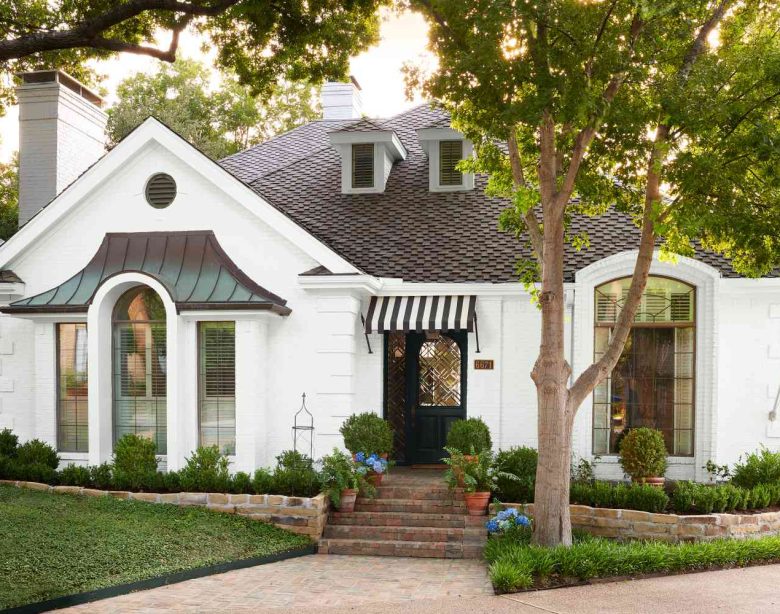
Understanding the Importance of an Exterior
The exterior of a building is more than its outer shell. It defines first impressions, protects the structure from environmental stress, and influences long-term value. A thoughtfully planned exterior balances aesthetics, functionality, and durability, ensuring the property looks appealing while performing efficiently in all conditions.
Key Elements of a Strong Exterior Design
Architectural Style and Visual Harmony
Exterior design should reflect a consistent architectural language. Whether modern, traditional, or transitional, cohesion across surfaces, shapes, and finishes creates visual balance.
Core components include:
-
Facade composition
-
Rooflines and overhangs
-
Window and door placement
-
Trim and detailing
Materials That Matter
Choosing the right materials determines longevity and maintenance needs.
Common exterior materials:
-
Brick and stone: Durable and timeless
-
Wood and engineered wood: Warm appearance with maintenance considerations
-
Stucco: Smooth, modern, and cost-effective
-
Metal panels: Sleek, contemporary, and weather-resistant
-
Fiber cement: Low maintenance with high durability
Color and Texture Selection
Exterior colors should complement the environment and architectural style. Texture adds depth and interest without overwhelming the design.
Best practices:
-
Use neutral bases with bold accents
-
Balance smooth and textured surfaces
-
Consider climate impact on color fading
Functional Considerations for Exteriors
Weather Resistance
An exterior must withstand rain, heat, cold, wind, and UV exposure. Protective coatings, proper drainage, and quality installation are essential.
Energy Efficiency
Well-designed exteriors improve insulation and reduce energy costs.
Energy-smart features include:
-
Insulated wall systems
-
High-performance windows and doors
-
Shading elements like awnings and louvers
Safety and Accessibility
Exterior planning should include:
-
Slip-resistant walkways
-
Adequate lighting
-
Clear entry points
-
Secure fencing or boundaries when needed
Enhancing Curb Appeal
Curb appeal directly affects perception and property value.
Effective upgrades:
-
Updated entry doors
-
Coordinated lighting fixtures
-
Clean, defined pathways
-
Landscaping that frames the structure
-
Balanced use of greenery and hardscape
Exterior Maintenance and Longevity
Regular upkeep extends the life of exterior elements and prevents costly repairs.
Maintenance essentials:
-
Annual inspections for cracks or damage
-
Cleaning siding and surfaces
-
Repainting or resealing when required
-
Checking gutters and drainage systems
Sustainability in Exterior Design
Sustainable exteriors reduce environmental impact while improving efficiency.
Eco-conscious choices include:
-
Recycled or renewable materials
-
Reflective roofing to reduce heat absorption
-
Native landscaping to minimize water use
-
Permeable paving for better drainage
Frequently Asked Questions (FAQs)
1. What is the most durable exterior material for residential buildings?
Brick, stone, and fiber cement are among the most durable options due to their resistance to weather and low maintenance needs.
2. How often should an exterior be repainted?
Most exteriors require repainting every 5–10 years, depending on material quality, climate, and exposure.
3. Can exterior design increase property value?
Yes, a well-maintained and visually appealing exterior can significantly improve curb appeal and resale value.
4. How do I choose the right exterior color scheme?
Consider architectural style, surrounding environment, roof color, and long-term maintenance when selecting exterior colors.
5. What exterior features improve energy efficiency the most?
Insulated walls, energy-efficient windows, proper sealing, and shading devices provide the greatest efficiency gains.
6. Is landscaping considered part of exterior design?
Absolutely. Landscaping complements the structure and plays a key role in overall exterior appearance and functionality.
7. How can I modernize an outdated exterior without major renovation?
Simple updates like new lighting, refreshed paint, modern doors, and updated trim can create a contemporary look without structural changes.


