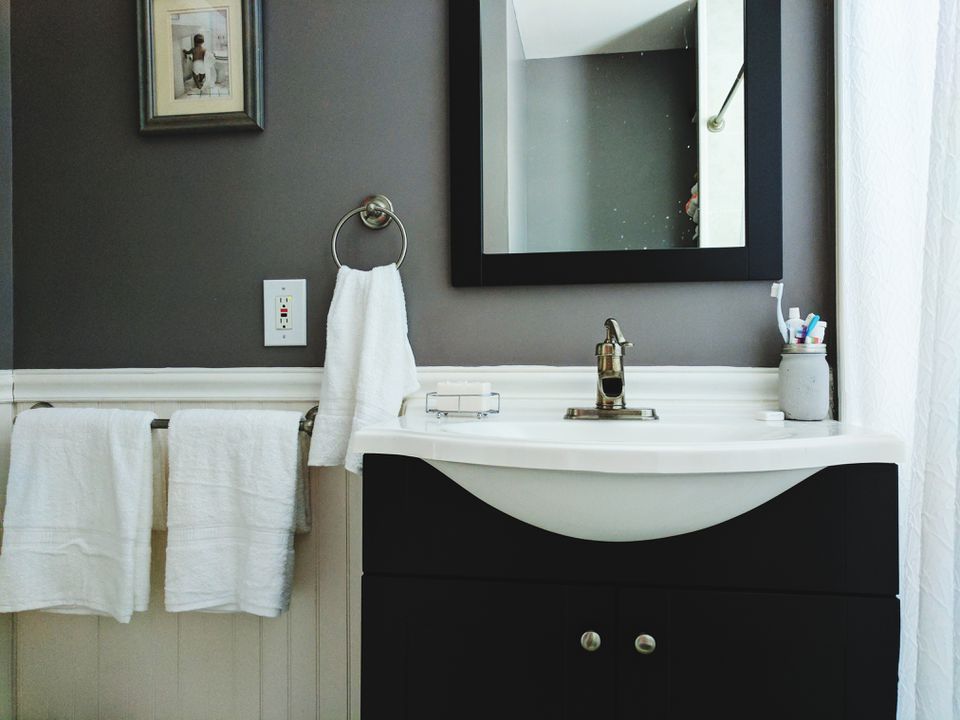
A well-decorated home doesn’t require a complete overhaul. With thoughtful choices and a clear sense of balance, you can transform any space into one that feels inviting, stylish, and personal. These decor tips focus on practical upgrades that work across budgets and home sizes.
Start With a Clear Vision
Before buying or rearranging anything, define how you want the space to feel. Comfort, elegance, creativity, or calm—your intention guides every decision that follows.
Ask yourself:
-
What mood should this room create?
-
How will the space be used daily?
-
Which colors or textures make me feel at ease?
Having clarity prevents impulse purchases and creates a cohesive look.
Use Color Strategically
Color has a powerful effect on perception and mood. Even subtle changes can dramatically alter a room’s atmosphere.
Effective color tips:
-
Light shades make small rooms feel more open
-
Dark accents add depth and sophistication
-
Neutral bases allow decor pieces to stand out
If repainting isn’t an option, introduce color through cushions, rugs, or artwork.
Layer Lighting for Depth
Lighting is often overlooked, yet it defines how decor is experienced. A single overhead light flattens a room, while layered lighting brings warmth and dimension.
Include a mix of:
-
Ambient lighting for general brightness
-
Task lighting for reading or work areas
-
Accent lighting to highlight decor or textures
Soft, warm bulbs tend to create a more welcoming feel.
Balance Furniture and Space
A common decorating mistake is overcrowding. Good decor respects negative space and allows furniture to breathe.
Keep in mind:
-
Choose furniture scaled to the room size
-
Avoid pushing everything against walls
-
Leave clear walking paths
Fewer, well-chosen pieces often make a stronger statement than many smaller ones.
Add Texture for Visual Interest
Texture prevents a space from feeling flat, especially when using neutral colors.
Easy ways to layer texture:
-
Woven rugs or throws
-
Linen or velvet cushions
-
Wooden, ceramic, or metal accents
The contrast between smooth and rough surfaces adds depth without clutter.
Personalize With Purpose
Decor should reflect who you are, not just trends. Personal touches bring authenticity and warmth.
Meaningful decor ideas:
-
Framed photos or travel souvenirs
-
Handmade or vintage pieces
-
Books, plants, or collected objects
Curate thoughtfully rather than displaying everything at once.
Bring Nature Indoors
Natural elements soften interiors and improve the overall ambiance.
Simple natural additions:
-
Indoor plants or dried botanicals
-
Wooden furniture or stone accents
-
Natural fabrics like cotton or jute
Even a single plant can refresh an entire room.
Edit and Refresh Regularly
Decorating isn’t a one-time task. Periodic editing keeps your space feeling intentional.
Try this approach:
-
Remove one item before adding a new one
-
Rotate accessories seasonally
-
Reassess what no longer fits your lifestyle
A refreshed space often comes from subtraction, not addition.
FAQs
How can I decorate my home on a small budget?
Focus on rearranging furniture, adding affordable textiles, and using DIY decor. Small changes often have the biggest impact.
What is the easiest way to make a room look cohesive?
Stick to a limited color palette and repeat similar materials or finishes throughout the space.
How many decor items are too many?
If surfaces feel crowded or cleaning becomes difficult, it’s a sign to scale back and edit.
Can mixing decor styles still look good?
Yes, as long as there is a unifying element like color, texture, or scale to tie everything together.
How often should I update my home decor?
Minor updates can be done seasonally, while larger changes are usually needed only every few years.
Are plants necessary for good decor?
Not necessary, but highly effective. Plants add life, color, and a natural balance to interiors.
What’s the biggest decor mistake to avoid?
Buying items without considering scale, function, or how they fit into the overall space.