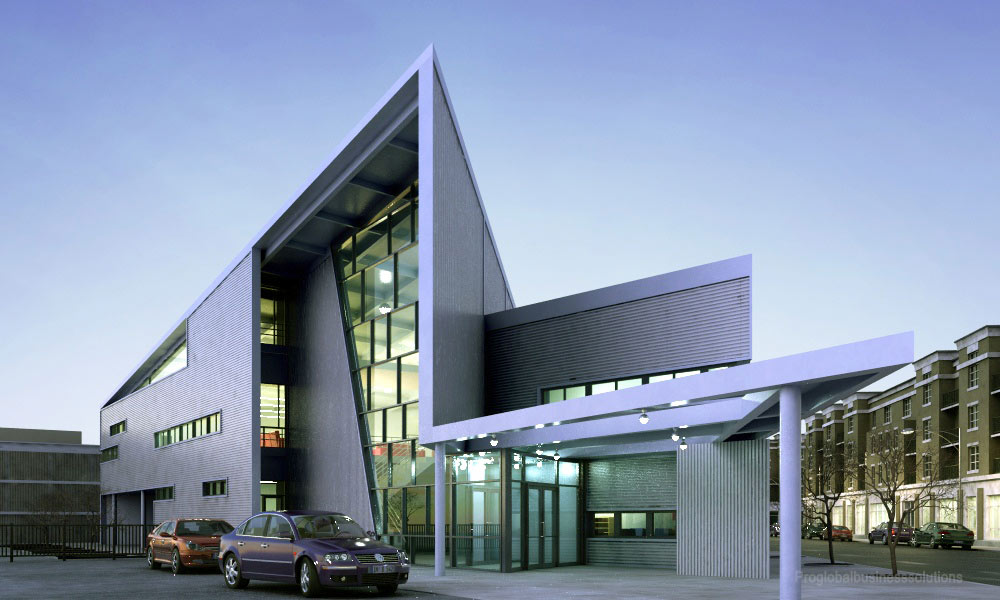
Architecture shapes how people live, work, and interact with the world. More than the act of constructing buildings, it blends art, engineering, culture, and technology to create spaces that respond to human needs and environmental realities. From ancient shelters to intelligent cities, architecture reflects the values and ambitions of each era.
Understanding Architecture Beyond Buildings
At its core, architecture is about purposeful design. Every structure balances aesthetics, function, safety, and context. A well-designed building does not merely stand; it communicates meaning, supports activity, and adapts to its surroundings.
Key dimensions of architecture include:
-
Functionality – How effectively a space serves its intended use
-
Aesthetics – Visual harmony, proportion, and material expression
-
Structure – Engineering systems that ensure stability and durability
-
Context – Cultural, social, and environmental considerations
A Brief Evolution of Architectural Thought
Architecture has continuously evolved in response to human progress.
Early and Traditional Architecture
Early architecture relied on locally available materials such as stone, clay, and wood. Design was often symbolic, reflecting spiritual beliefs and social hierarchy. Traditional architecture emphasized craftsmanship, climate responsiveness, and cultural identity.
Industrial and Modern Architecture
The industrial age introduced steel, glass, and reinforced concrete. This period prioritized efficiency and mass production, giving rise to modern architecture, known for:
-
Clean lines and minimal ornamentation
-
Open floor plans
-
Emphasis on function over decoration
Contemporary Architecture
Today’s architecture integrates advanced technology with social and environmental awareness. Digital tools enable complex forms, while sustainability has become a defining principle rather than an option.
Core Principles That Guide Architectural Design
Successful architecture follows enduring principles that ensure relevance and performance.
Balance Between Form and Function
A visually striking building must still work well for its users. Architects aim to ensure that beauty never compromises usability.
Human-Centered Design
Spaces are designed around how people move, feel, and interact. Light, scale, acoustics, and circulation directly affect comfort and productivity.
Environmental Responsibility
Modern architecture increasingly focuses on reducing ecological impact through energy-efficient systems and responsible material choices.
Sustainable Architecture and Its Growing Importance
Sustainability has transformed architectural practice. Buildings are now evaluated not only by appearance and cost, but also by long-term environmental performance.
Common features of sustainable architecture include:
-
Passive design strategies that reduce energy demand
-
Natural ventilation and daylight optimization
-
Use of renewable or recycled materials
-
Water conservation systems
These strategies help create structures that are economically efficient and environmentally resilient.
The Role of Technology in Modern Architecture
Technology has reshaped how architects design and build.
Digital Design Tools
Advanced modeling software allows architects to visualize complex structures, test performance, and refine details before construction begins.
Smart Buildings
Modern buildings often include intelligent systems that automate lighting, climate control, and security, improving comfort while lowering energy use.
Innovative Construction Methods
Prefabrication, 3D printing, and modular construction are changing how buildings are assembled, reducing waste and construction time.
Architecture as a Cultural Expression
Architecture acts as a physical record of society. The layout of cities, the design of homes, and the scale of public buildings all reveal social priorities and cultural values. Architecture can unite communities, preserve heritage, or signal progress.
Public spaces, in particular, play a vital role in shaping civic identity by encouraging interaction and inclusivity.
Challenges Facing Architecture Today
Despite innovation, architecture faces complex challenges:
-
Rapid urbanization and housing shortages
-
Climate change and resource scarcity
-
Balancing historical preservation with modernization
-
Ensuring accessibility and social equity
Addressing these challenges requires collaboration between architects, planners, engineers, and policymakers.
The Future of Architecture
The future points toward adaptive, sustainable, and human-focused design. Buildings will increasingly respond to environmental data, support changing lifestyles, and prioritize well-being. Architecture will continue to evolve as both a technical discipline and a cultural practice.
Frequently Asked Questions (FAQ)
What is the primary purpose of architecture?
Architecture aims to create functional, safe, and meaningful spaces that support human activity while responding to cultural and environmental contexts.
How is architecture different from construction?
Architecture focuses on design, planning, and conceptual vision, while construction is the physical process of building what has been designed.
Why is sustainability important in architecture?
Sustainable architecture reduces environmental impact, lowers operating costs, and ensures buildings remain viable for future generations.
What skills are essential for architects?
Architects need a mix of creative design ability, technical knowledge, problem-solving skills, and an understanding of social and environmental issues.
How does architecture influence daily life?
Architecture affects comfort, productivity, mood, and social interaction by shaping the spaces people use every day.
Can architecture help address climate change?
Yes, through energy-efficient design, low-impact materials, and climate-responsive planning, architecture can significantly reduce carbon emissions.
What trends are shaping modern architecture?
Key trends include smart buildings, sustainable materials, adaptive reuse, and human-centered urban design.