

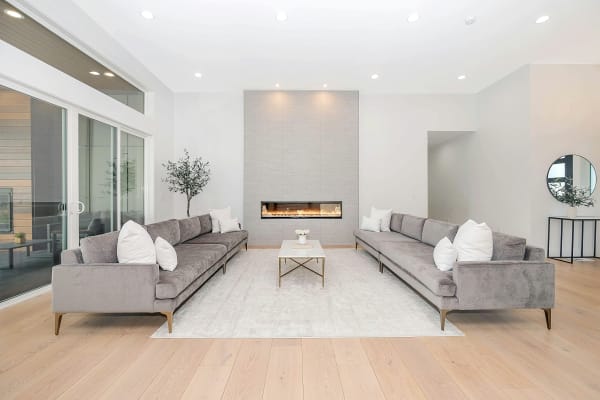
Flooring plays a defining role in both the functionality and visual appeal of any interior. Beyond aesthetics, the right floor influences comfort, durability, maintenance, and even property value. With a wide range of materials available today, choosing flooring requires a thoughtful balance between style and practicality.
This guide breaks down the most common flooring types, key selection factors, and long-term considerations to help you make a confident, informed decision.
What Is Flooring and Why It Matters
Flooring refers to the permanent surface covering installed over a structural floor. It impacts daily comfort, foot traffic tolerance, acoustics, and indoor ambiance. The right choice can enhance room usability, while the wrong one may lead to frequent repairs or discomfort.
Well-chosen flooring offers:
-
Durability suited to the room’s usage
-
Visual harmony with interior design
-
Ease of maintenance over time
-
Improved resale value for properties
Common Types of Flooring
Each flooring material serves different needs. Understanding their characteristics helps narrow down suitable options.
Hardwood Flooring
Hardwood is valued for its natural beauty and longevity. It can be refinished multiple times, extending its lifespan for decades.
-
Made from solid or engineered wood
-
Adds warmth and timeless appeal
-
Best for living rooms, bedrooms, and dining areas
Laminate Flooring
Laminate mimics the look of wood or stone at a lower cost.
-
Scratch-resistant and budget-friendly
-
Easy to install and maintain
-
Ideal for moderate-traffic areas
Vinyl Flooring
Vinyl has evolved significantly, offering realistic textures and strong performance.
-
Water-resistant and durable
-
Comfortable underfoot
-
Suitable for kitchens, bathrooms, and basements
Tile Flooring
Tile flooring includes ceramic, porcelain, and natural stone options.
-
Highly durable and moisture-resistant
-
Easy to clean
-
Works well in bathrooms, kitchens, and entryways
Carpet Flooring
Carpet provides softness and insulation.
-
Reduces noise and adds comfort
-
Available in various textures and colors
-
Common in bedrooms and low-traffic areas
Stone Flooring
Natural stone delivers a premium, high-end appearance.
-
Extremely durable
-
Unique patterns and textures
-
Requires sealing and regular care
How to Choose the Right Flooring
Selecting flooring goes beyond appearance. Consider these essential factors before deciding.
Room Function
Different rooms demand different performance levels.
-
High-traffic areas need durable surfaces
-
Wet areas require water-resistant materials
-
Bedrooms benefit from comfort and warmth
Budget Considerations
Flooring costs include materials, installation, and long-term maintenance. A lower upfront cost may lead to higher maintenance expenses over time.
Maintenance and Longevity
Some flooring types need frequent care, while others are low-maintenance.
-
Hardwood may require refinishing
-
Tile and vinyl are easy to clean
-
Carpet needs regular vacuuming and deep cleaning
Climate and Environment
Temperature and humidity affect certain materials.
-
Wood expands in humid conditions
-
Tile stays cool in warm climates
-
Vinyl adapts well to varying conditions
Flooring Installation Options
Installation methods can influence cost and performance.
-
Floating floors allow easy installation and replacement
-
Glue-down floors offer stability in high-traffic areas
-
Nail-down floors are common for hardwood installations
Professional installation ensures proper leveling, alignment, and longevity.
Flooring Trends to Watch
Modern flooring trends focus on both aesthetics and sustainability.
-
Natural textures and matte finishes
-
Waterproof flooring solutions
-
Eco-friendly and recycled materials
-
Wide planks and neutral tones
Benefits of Investing in Quality Flooring
High-quality flooring provides long-term value.
-
Enhances comfort and usability
-
Reduces repair and replacement costs
-
Improves indoor aesthetics
-
Increases property appeal
Conclusion
Flooring is a foundational element of interior design that affects daily living. By understanding material options, room requirements, and maintenance needs, you can select flooring that balances beauty, durability, and comfort. A well-informed choice ensures your floors remain functional and visually appealing for years to come.
Frequently Asked Questions (FAQs)
1. How long does most flooring last on average?
The lifespan varies by material. Hardwood can last 30–50 years, tile even longer, while carpet typically lasts 8–15 years.
2. Which flooring option is best for homes with pets?
Durable, scratch-resistant options like vinyl, tile, or laminate are generally better for pet owners.
3. Is waterproof flooring completely damage-proof?
Waterproof flooring resists moisture but still requires proper installation and care to avoid subfloor damage.
4. Can different flooring types be mixed in one home?
Yes, mixing flooring can define spaces, but transitions should be smooth and visually cohesive.
5. Does flooring choice affect indoor air quality?
Some materials emit fewer volatile compounds. Low-VOC flooring options help maintain healthier indoor air.
6. How important is underlayment in flooring installation?
Underlayment improves comfort, sound insulation, and moisture protection, especially for floating floors.
7. What flooring adds the most value to a home?
Hardwood and high-quality tile are often associated with higher resale value due to their durability and appeal.