
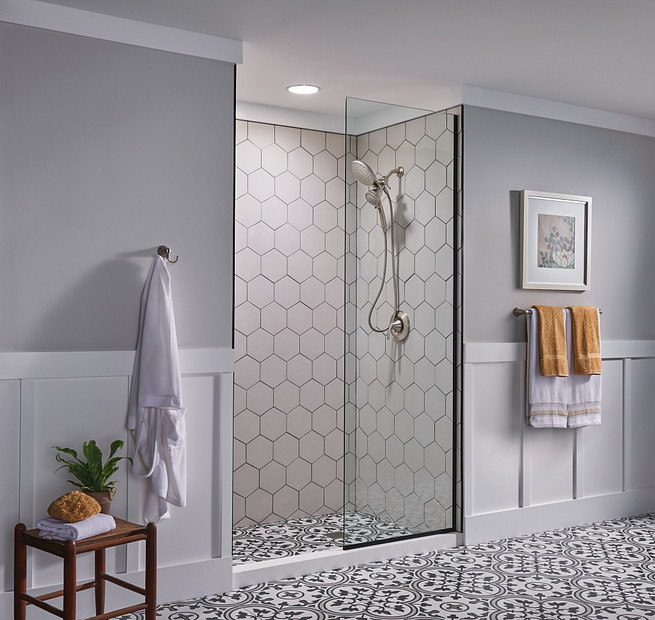
The True Cost of Converting a Tub into a Walk-In Shower

Swapping an underused bathtub for a spacious walk-in shower is one of the most popular bathroom upgrades in American homes today. Whether you want a cleaner, more modern aesthetic, need safer step-in access for aging in place, or simply prefer a quick morning rinse over a long soak, the practical appeal is obvious. Yet when homeowners start gathering quotes, they often encounter a confusing spread of numbers that range from a couple of thousand dollars to well over fifteen thousand.
Understanding the true cost of a tub-to-shower conversion requires looking past the base price of a new shower pan and wall panels. Labor, hidden plumbing adjustments, subfloor conditions, glass enclosures, and long-term maintenance all shape what you will ultimately spend.

Average Cost Ranges by Project Tier

Across the United States, most homeowners spend between $3,000 and $10,000 for a complete, professionally installed tub-to-shower conversion, with the national average hovering around $5,000 to $7,500 for a mid-range build. Where your project lands depends heavily on the materials you select and how much structural work is needed behind the walls.

Budget Acrylic or Fiberglass Conversions ($1,500 to $4,000)

At the lower end of the price spectrum, contractors remove the existing tub and install a prefabricated acrylic, fiberglass, or composite shower pan paired with matching wall panels. Because these kits are engineered to fit a standard 60-by-30-inch or 60-by-32-inch alcove, installation usually takes just one to three days. You save substantially on labor, and modern solid-surface or high-gloss acrylic surrounds require very little upkeep since there are no grout lines to scrub.

Mid-Range Tiled Showers ($5,000 to $10,000)

Moving into ceramic or porcelain tile transforms the look and feel of the bathroom, though it also shifts the budget upward. A mid-range conversion typically includes a new mortar bed or waterproof foam shower pan, cement backer board, a waterproofing membrane, porcelain wall tile, updated brass mixing valves, and a semi-frameless or basic framed glass door. Because tile setting and grouting require skilled craftsmanship and curing time, expect the project to take one to two weeks.

Custom and Curbless Luxury Builds ($10,000 to $18,000+)

If you envision a zero-threshold curbless entry, natural stone walls, built-in recessed niches, a linear drain, and heavy frameless glass, costs climb quickly. Curbless showers in particular require recessing or sloping the subfloor so water drains reliably without spilling onto the bathroom floor. In older homes with complex framing or cast-iron drain lines, structural and plumbing modifications alone can push the total bill past $15,000.

Key Factors That Drive Your Final Price

Two bathrooms of the exact same size can yield wildly different contractor estimates. Knowing which choices move the needle helps you allocate money where it matters most.

Shower Walls and Flooring Materials

Material pricing varies dramatically per square foot, and labor scales alongside material complexity:
  • Fiberglass and Acrylic Surrounds: Materials generally run $500 to $1,800 for a complete pan-and-wall system, with fast installation that keeps labor low.

  • Ceramic and Porcelain Tile: Tile itself can cost anywhere from $2 to $20 per square foot, but installation labor often doubles or triples that figure, especially if you choose intricate mosaics, herringbone layouts, or large-format slabs that demand ultra-flat walls.

  • Cultured Marble and Solid-Surface Panels: These offer a seamless, stone-like look without grout maintenance, typically landing between $2,000 and $4,500 installed for the surround alone.

  • Natural Stone: Marble, travertine, and slate run $10 to $35+ per square foot for materials and require specialized sealers and gentler cleaners over their lifespan.

Glass Enclosures and Doors

Leaving a walk-in shower open with a simple curtain rod costs less than $100, but most homeowners opt for glass to keep warmth in and water contained. A standard framed sliding glass door typically adds $400 to $1,000 installed. Upgrading to heavy 3/8-inch or 1/2-inch frameless tempered glass with minimal metal hardware usually costs $1,200 to $3,000, depending on custom measurements and protective glass coatings that repel hard-water spots.

Plumbing Updates and Drain Relocation

In an ideal conversion, the new shower drain aligns directly with the old tub drain, and existing supply lines stay in place. However, most bathtubs use a 1.5-inch drain pipe, whereas modern plumbing codes frequently require a 2-inch drain for walk-in showers to handle higher water flow without backing up. Upgrading that drain line, replacing corroded galvanized pipes, or installing a code-compliant anti-scald thermostatic mixing valve typically adds $600 to $2,000 in licensed plumbing labor.

Demolition and Tub Disposal

Hauling out a lightweight fiberglass tub takes minimal effort. Removing a vintage enameled cast-iron tub, which can weigh 300 to 500 pounds, is a different story. Contractors often have to break cast iron apart with a sledgehammer before carrying it out in pieces, adding $300 to $700 in demolition and disposal fees.

Hidden Costs Homeowners Often Overlook

Even well-researched remodeling budgets can get derailed once demolition begins. Because bathtub surrounds hide framing and subflooring for decades, contractors routinely uncover issues only after the old walls come down.
Water damage and subfloor rot are the most common surprises. A slow drip behind a faucet handle or deteriorated caulk along the tub edge can quietly rot plywood subflooring and wall studs. Replacing damaged framing and subfloor panels generally adds $500 to $2,500, depending on how far the moisture spread.
Permit fees and code upgrades also catch people off guard. Many municipalities require plumbing or building permits when altering drain sizes or opening walls, costing $100 to $500. If your home’s electrical wiring or bathroom exhaust fan is outdated, an inspector may require bringing ventilation or GFCI outlets up to current code before signing off. Setting aside a 15 percent contingency fund protects you from having to compromise on finishes if surprises emerge.

Accessibility and Everyday Comfort Upgrades

Many homeowners convert a tub specifically to make daily routines safer and easier. Adding thoughtful ergonomics during the initial build is far cheaper than retrofitting later:
  • Reinforced Grab Bars: Installing blocking inside the wall framing before tile or panels go up allows secure mounting of grab bars for $150 to $450 per bar.

  • Built-In or Fold-Down Seating: A tiled corner bench or a wall-mounted teak fold-down seat typically adds $300 to $800 installed.

  • Handheld Showerheads on Slide Bars: Pairing a fixed showerhead with an adjustable handheld wand adds $150 to $400 and makes rinsing easier whether standing or seated.

  • Slip-Resistant Flooring: Choosing matte, textured porcelain tile or a textured low-threshold shower pan improves wet traction with little to no extra cost over slick glossy surfaces.

Real Estate Resale Value: Should You Keep at Least One Tub?

Before eliminating a bathtub, consider your home’s overall layout and future buyers. Real estate professionals consistently advise keeping at least one bathtub in the home, particularly if you live in a single-family house that appeals to families with young children or pet owners.
If you have two or more full bathrooms, converting the primary suite tub into a luxury walk-in shower while keeping a tub-shower combo in the hall bathroom usually delivers strong appeal and solid return on investment—often recouping 60 to 75 percent of the project cost at resale. Removing the only tub in a three-bedroom house, on the other hand, can narrow your buyer pool down the road.

Practical Ways to Control Conversion Costs

You do not need to sacrifice quality to keep your budget grounded. Keeping the existing plumbing footprint saves hundreds of dollars in pipe rerouting. Choosing a standard alcove shower pan rather than a custom-poured mortar bed reduces labor hours and minimizes waterproofing risks. Finally, selecting classic finishes like brushed nickel or chrome rather than specialty designer coatings keeps fixture costs predictable while remaining easy to match years later.
By pricing out materials, plumbing, and potential behind-the-wall repairs upfront, you can step into your renovation with clear expectations and end up with a walk-in shower built to perform for decades.